Security
Houthi Rebels Seize Strategic Red Sea Positions: What Are Their Goals?
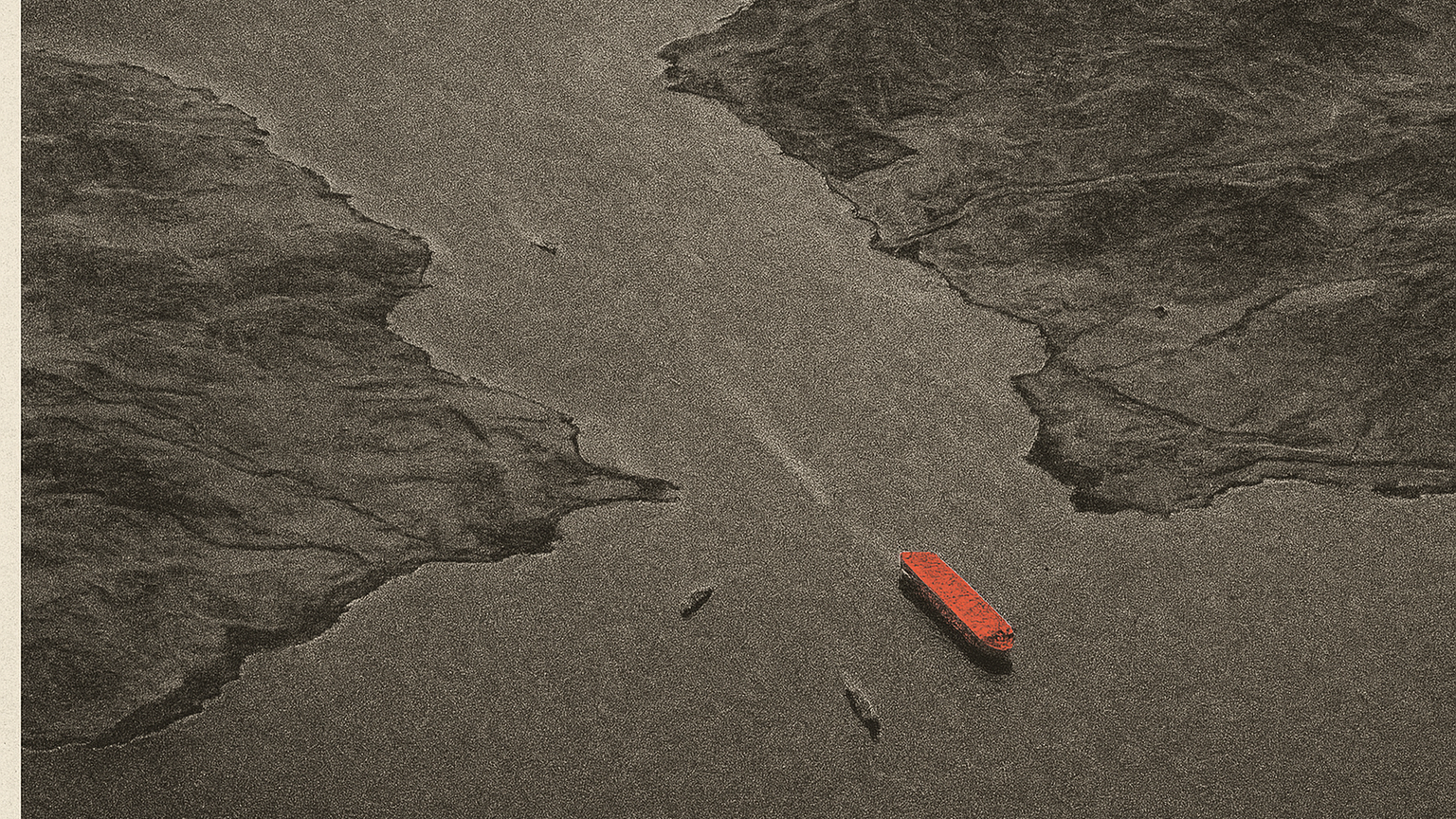
The recent seizure of Mokha Port and Perim Island by Yemen's Houthi rebels has significantly expanded their influence over the Bab el-Mandeb Strait. This move is more than a mere territorial expansion. What are the strategic objectives behind their control of this region, and what implications might this have for maritime security and international trade?
The Houthi rebels' recent capture of Yemen's Mokha Port and Perim Island clearly demonstrates their strategic intent to gain effective control over the Bab el-Mandeb Strait. Mokha serves as a crucial maritime hub connecting the Red Sea and the Gulf of Aden, while Perim Island's location at the strait's entrance offers a geographical advantage for monitoring or blocking maritime traffic. This occupation is not merely a military victory but a deliberate move to expand economic and political influence through maritime routes.
According to Al Jazeera, by seizing Mokha, the Houthis have positioned themselves to effectively encircle the Bab el-Mandeb Strait. This narrow passage, accounting for about 10-12% of global trade, can be threatened by artillery or drones due to its mere 20 km width. This suggests that the Houthis are not just expanding territory but are equipped to weaponize maritime routes.
The Council on Foreign Relations compares the Houthis' strategy to 'another Hormuz,' warning that the Bab el-Mandeb Strait could become a new geopolitical battleground between Iran and the United States. With the Strait of Hormuz under Iranian influence, Saudi Arabia secured alternative export routes through the Red Sea, but the Houthi control of the strait now threatens even these.
A report submitted to Congress by the U.S. Naval Institute notes that the Yemeni civil war has persisted since 2015, with the Houthis controlling much of the northwest, including the capital, Sanaa. The Bab el-Mandeb Strait has grown in importance as an alternative route for energy and goods, given the effective blockade of the Strait of Hormuz. The Houthi control of the strait is seen as a direct threat to the stability of these international supply chains.
The Centre for Peace Studies analyzes the Houthis' maritime strategy as evolving from 'disruption to coercion.' Initially symbolic, their maritime activities now aim to generate economic revenue and political leverage through toll imposition or blockades. This evolution indicates that the Houthis are emerging as a significant player in regional maritime security.
The Washington Post suggests that the Houthi control of the strait provides Iran with a new leverage point in its conflict with the United States. Saudi Arabia, having relied on Red Sea routes for exports after the Hormuz blockade, now faces threats to its strategic alternatives. This development highlights the Houthis as a disruptive factor in the strategic balance among regional powers.
According to Le Monde, the fiercest recent battles in Yemen have coincided with the Houthis' advance towards the Bab el-Mandeb Strait. Their use of rockets and drones near Mokha is seen not merely as a military operation but as a strategic turning point in controlling the strait. These attacks hint at the possibility of a return to full-scale war.
Le Monde points out that since the Houthis declared a blockade on Saudi ports in July, the Bab el-Mandeb Strait has emerged as a new front in the Iran-U.S. conflict. The rising tensions in this area have the potential to reshape the geopolitical dynamics across the Middle East, extending beyond the Yemeni civil war.
Recent European media reports warn that the Red Sea crisis, coupled with the Hormuz blockade, could exacerbate the global oil crisis. Concerns are mounting over unprecedented disruptions to global supply chains, compounded by congestion in the Suez Canal.
However, the success of the Houthis' strategy remains uncertain. The international community's response, particularly potential military and diplomatic interventions by the United States and Saudi Arabia, remains a variable. Additionally, internal resource limitations and potential divisions within the Houthi ranks could threaten the sustainability of their strategy.
The Houthis' Red Sea strategy, therefore, opens a new chapter that extends beyond mere territorial expansion, weaponizing maritime routes and directly impacting international trade and energy security. Ensuring stability in this region will require a multifaceted approach, including military responses, maritime security cooperation, diplomatic mediation, and comprehensive political solutions within Yemen. This analysis underscores that the Bab el-Mandeb Strait is not just a waterway but a strategic stage that could determine the geopolitical future of the Middle East and the world.
This article was produced with the assistance of AI using publicly available sources and has undergone The Gist’s factual and source-verification process. Original sources are listed below. Errors and corrections: corrections@thegist.co.kr
Sources
- S1 — DW2026-09-11 · accessed 2026-09-11
- S2 — Al Jazeera2026-09-10 · accessed 2026-09-11
- S3 — Council on Foreign Relations2026-07-20 · accessed 2026-09-11
- S4 — U.S. Naval Institute2026-07-30 · accessed 2026-09-11
- S5 — ICPS (Centre for Peace Studies)2026-09-03 · accessed 2026-09-11
- S6 — The Washington Post2026-09-10 · accessed 2026-09-11
- S7 — Le Monde2026-09-05 · accessed 2026-09-11
- S8 — Le Monde2026-07-24 · accessed 2026-09-11
- S9 — Le Monde2026-09-11 · accessed 2026-09-11