Security
Airstrikes in Southern Lebanon: A Cycle of Retaliation or Strategic Maneuver?
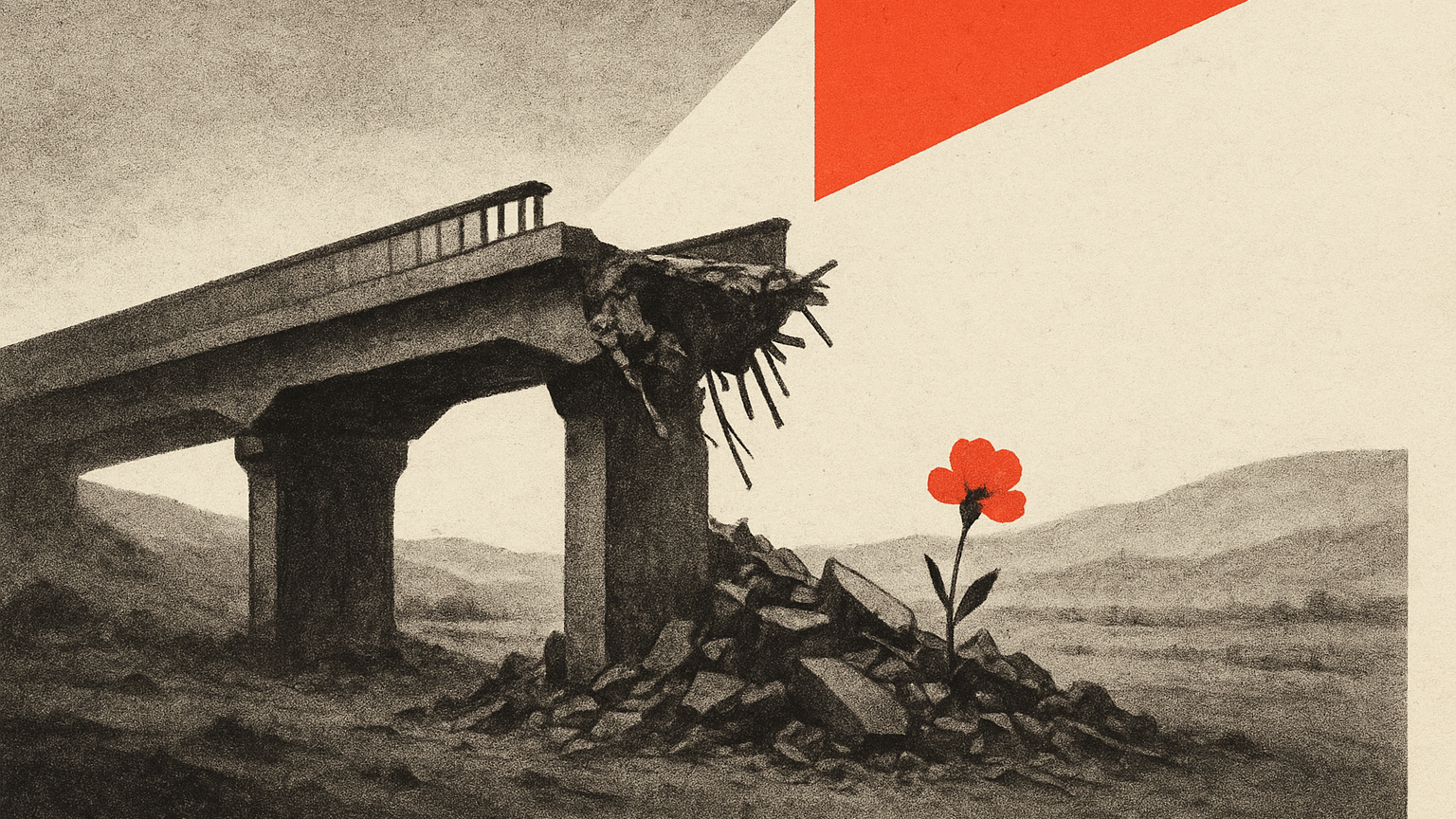
Another village in southern Lebanon has been devastated by airstrikes. On September 7, 2026, an Israeli airstrike claimed at least 12 lives, including two children. The persistence of such attacks post-ceasefire raises the question: are they simply retaliatory, or part of Israel's strategy to secure a 'safe zone'?
According to Al-Monitor, the recent airstrike occurred in the village of Kafr Rumman in southern Lebanon, destroying residential buildings and claiming the lives of children and medical personnel. The Israeli military justified the precision strike by claiming they had observed armed groups moving weapons. However, local residents expressed deep despair, questioning whether they were being forced to leave their land. The repeated civilian casualties suggest that these actions may be driven by strategic intentions beyond mere military response.
To delve deeper into this question, it's essential to understand the context of Israel's 'safe zone' strategy. In June 2026, under U.S. mediation, Lebanon and Israel agreed to a framework that included a ceasefire, Israeli troop withdrawal, Lebanese army deployment, and Hezbollah disarmament. Despite this, Israel has maintained military influence in southern Lebanon and continued airstrikes on villages post-ceasefire, indicating that the strategy might involve securing a long-term 'buffer zone' rather than merely ensuring peace.
To comprehend how this strategy operates, one must consider the significance of strategic locations secured by Israel, particularly the Ali Taher Ridge. This area is believed to house Hezbollah's underground military infrastructure. Israel intensified airstrikes on surrounding villages after securing this ridge, suggesting an intention to preemptively neutralize Hezbollah's bases rather than simply responding to threats.
However, this strategy has clear limitations. According to the Lebanese Ministry of Health, over 4,300 people have died from Israeli attacks since March, including more than 250 children and nearly 400 women. Over 130 medical personnel have also been killed, and numerous civilian infrastructures have been destroyed. Such extensive civilian casualties undermine the legal and moral justification of the strategy and could counteract its strategic objectives.
An alternative perspective argues that these attacks are a justified response to Hezbollah's provocations. Israel has reported that Hezbollah launched drone attacks near the Ali Taher Ridge, emphasizing that the airstrikes were a military response. From this viewpoint, civilian casualties are seen as an unavoidable reality of warfare.
However, the long-term repercussions of these responses remain uncertain. While securing strategic locations might weaken Hezbollah's military capabilities, civilian casualties and resulting anger could bolster local support for Hezbollah. Additionally, repeated airstrikes could further destabilize the ceasefire and risk escalating into a larger conflict.
The remaining question is whether this strategy is sustainable. To justify the goals of securing strategic locations and deterring Hezbollah beyond civilian sacrifices and local anger, a political and diplomatic solution must accompany military efforts. Without this, the 'safe zone' could instead become a seed for future conflict.
This article was produced with the assistance of AI using publicly available sources and has undergone The Gist’s factual and source-verification process. Original sources are listed below. Errors and corrections: corrections@thegist.co.kr
Sources
- S1 — AL-MONITOR2026-09-07 · accessed 2026-09-07
- S2 — Le Monde2026-09-02 · accessed 2026-09-07
- S3 — Council on Foreign Relations2026-05-13 · accessed 2026-09-07
- S4 — El País2026-09-07 · accessed 2026-09-07