Security
Winter as a Weapon: The Assault on Ukraine's Energy Infrastructure
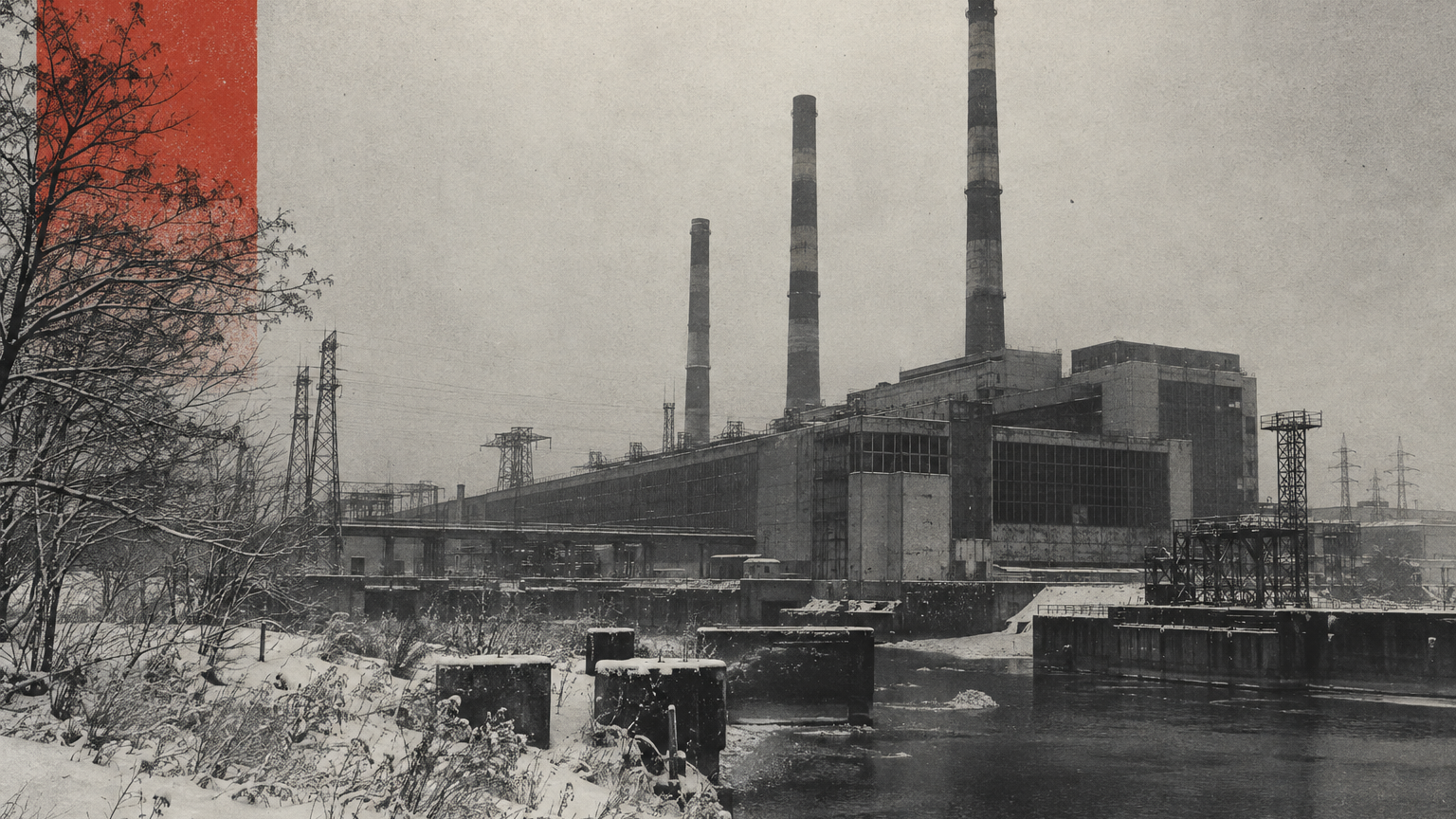
The UN Commission's report has classified Russia's concentrated attacks on Ukraine's energy infrastructure during winter as war crimes. This raises questions about whether these attacks were merely military strikes or a strategic choice targeting civilians' right to survive by using cold as a weapon.
On October 26, 2026, the UN Independent Commission released a report concluding that Russia's continuous and systematic attacks on Ukraine's energy infrastructure constituted war crimes and crimes against humanity. The report highlighted the harsh reality faced by millions of civilians during the winter of 2025-2026, enduring temperatures as low as -21°C without electricity, heating, water, or gas. This situation was interpreted as 'deliberate suffering using cold as a weapon,' rather than mere military action.
To understand whether these attacks were aimed solely at military gains or directly targeted civilian life, an analysis of the timing, method, and intent of the attacks is necessary. The UN Commission presented evidence that the winter attacks were deliberate, with Russian leadership intending to inflict suffering by intentionally destroying essential civilian services. This goes beyond mere military objectives and is seen as a strategic act targeting civilians' right to survive.
Cold as a Weapon: Strategy or Humanitarian Threat?
According to a UN Human Rights Office report, between December 2025 and May 2026, Russia conducted at least 423 large-scale attacks on energy facilities, including power plants and transmission networks, leaving millions without electricity and heating. The simultaneous attacks using long-range missiles and drones appeared to directly target the survival of civilians during winter.
A report from February 2026 noted that Russia attacked energy infrastructure almost daily in January, with Kyiv's combined heat and power plants hit multiple times, leaving thousands of apartments without heating. Such attacks in the heart of winter, targeting civilian survival, can be interpreted as a humanitarian threat beyond military objectives.
According to the principles of international humanitarian law, harm to civilians from military targets must not be excessive compared to the military advantage gained. An analysis by the Harvard Human Rights Clinic suggests that the attacks on energy infrastructure may constitute war crimes due to the disproportionate harm to civilians compared to military benefits.
However, there are counterarguments. Some argue that energy facilities are essential for military communication, logistics, and operations, thus justifying the attacks on military grounds. Yet, the UN Commission finds these claims unconvincing, suggesting that the attacks were planned acts targeting civilian survival conditions during winter, indicating a strategy aimed at causing civilian suffering rather than achieving military objectives.
Considering the future impact of this strategy, the post-war recovery costs and social scars will be immense. The destruction of energy systems affects not only infrastructure but also has long-term impacts on residents' health, education, and economic activities. Furthermore, the international community must establish new standards to address this form of 'winter warfare,' redefining humanitarian protection and strengthening legal mechanisms to safeguard essential services like power and heating.
The remaining question is how the international community will regulate and prevent this 'cold strategy.' When the brutality of war combines with seasonal elements, its destructive power becomes even more lethal. We must not only condemn war crimes but also expand the boundaries of humanitarian protection. When war targets the basic conditions for human survival, the response must be more fundamental.
This article was produced with the assistance of AI using publicly available sources and has undergone The Gist’s factual and source-verification process. Original sources are listed below. Errors and corrections: corrections@thegist.co.kr
Sources
- S1 — Al Jazeera· accessed 2026-10-27
- S2 — United Nations in Ukraine2026-10-26 · accessed 2026-10-27
- S3 — United Nations in Ukraine2026-06-29 · accessed 2026-10-27
- S4 — United Nations in Ukraine2026-02-13 · accessed 2026-10-27
- S5 — Harvard Human Rights Clinic2025-??-?? · accessed 2026-10-27
- S6 — United Nations (UNICEF/UN report)2026-03-?? · accessed 2026-10-27