Society
The Unseen Collapse of the Himalayas
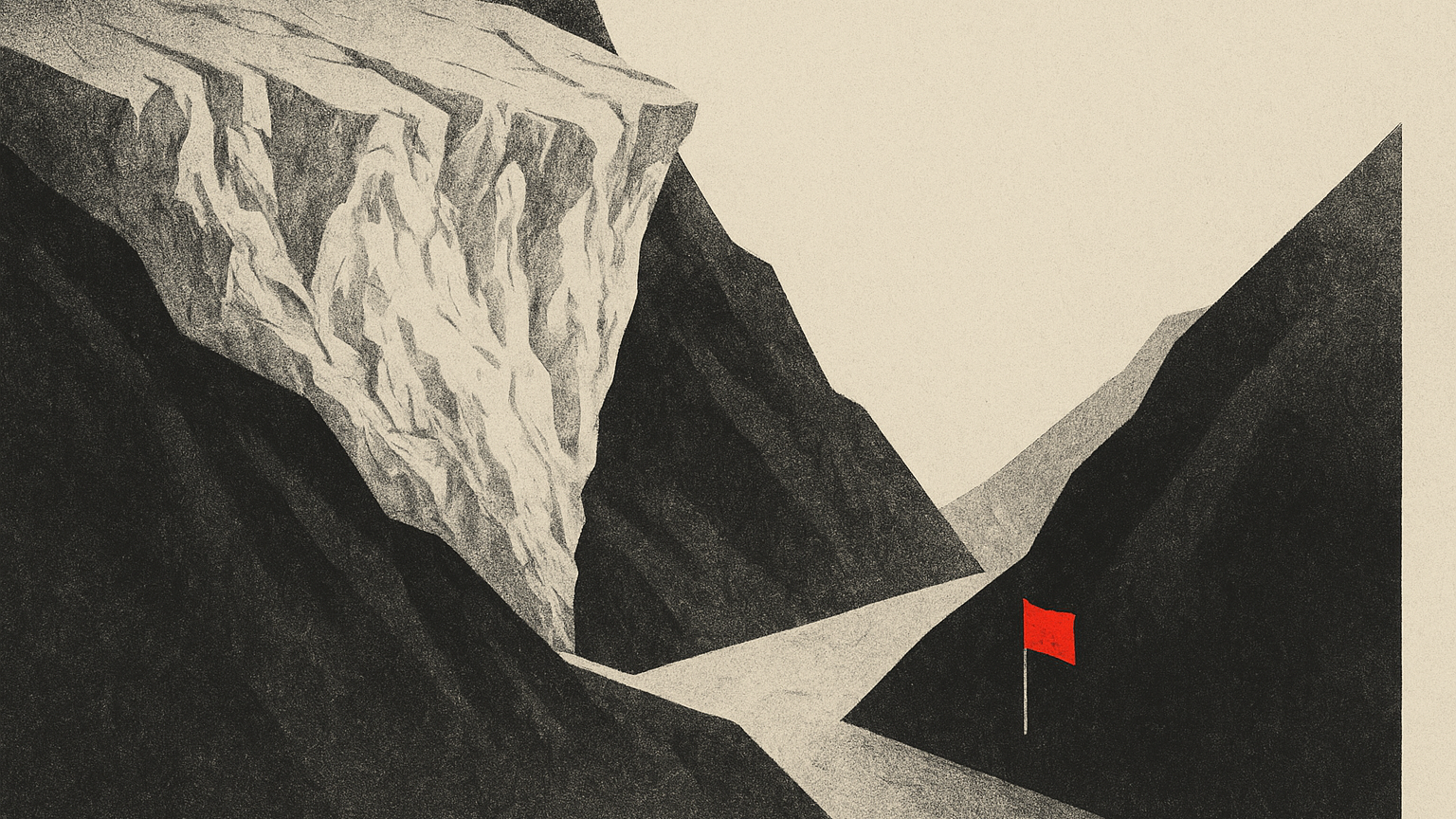
According to Al Jazeera, floods at the Nepal-China border have claimed over 1,000 lives. This catastrophic event is more than just a 'flood'; it is a complex disaster. The reality of glacial collapse triggering torrents and landslides, with thousands missing, raises questions about how climate change threatens the stability of mountainous terrains. This incident demonstrates that the climate crisis demands structural changes not only in temperature management but also in disaster patterns and response systems.
The recent floods were directly caused by a 'glacial collapse' in the Himalayan highlands, where glaciers and rocks crumbled. Nepal's National Disaster Risk Reduction and Management Authority and geologists report that this collapse generated an impact similar to a 5.2 magnitude earthquake. The debris from the glaciers, falling from hundreds of meters, formed a temporary dam that burst, causing a sudden flood. Such an abrupt disruption of nature's balance illustrates how climate change is shaking the physical stability of landscapes beyond mere temperature increases.
While it's not definitive that this disaster is linked to climate change, experts warn that glaciers in high-altitude regions are melting, and glacial lakes are expanding, increasing the risk of collapse. From 1992 to 2022, the area of glacial lakes in the Himalayas grew by approximately 27%, with some classified as high-risk. This suggests that the disaster is not an isolated incident but a structural risk that could recur.
Moreover, the warning systems between Nepal and China failed to function effectively, preventing real-time disaster information sharing. Residents in affected areas only became aware of the flood after it struck, and Nepalese authorities reported delays in receiving disaster information from China. This highlights how disaster response in mountainous regions is hindered by technical and diplomatic barriers.
In this context, climate change response cannot be limited to reducing greenhouse gases. Building technical systems to detect risks in glacial lakes and continuously monitor areas prone to collapse is essential. For instance, research is underway using satellite radar interferometry and meteorological satellite data to detect early signs of changes in glacial lakes. Such technologies can make a tangible contribution to disaster prevention in high-altitude regions.
However, technological responses alone are insufficient. Nepal is highly vulnerable to climate change and ranks low on the global climate adaptation index. Repeated floods, landslides, and glacial collapses, combined with social inequality, mean that disasters disproportionately affect vulnerable populations. Therefore, climate adaptation policies must be linked not only to technology but also to strengthening social safety nets.
Some argue that the recent floods should be viewed more as a combination of geographical features and spontaneous natural events rather than a direct result of climate change. Some experts claim that geological factors played a more significant role in this incident, cautioning against over-interpreting climate change as the cause of all disasters. This underscores the need for climate policies to be grounded in scientific evidence.
Nevertheless, this disaster symbolically highlights the new risks faced by high-altitude regions in the era of climate change. The chain of events—glacial collapse, temporary dam formation, and sudden floods—could become more frequent. Consequently, Nepal and China must strengthen cross-border cooperation, jointly build early warning systems, and enhance disaster response capabilities.
The remaining question is whether this tragedy will merely fade as news or serve as a catalyst for overhauling disaster response systems in mountainous regions. How we accept the fact that climate change is destabilizing glaciers and altering human lives, and how we respond, is not just a scientific or policy issue but an ethical challenge of our time.
This article was produced with the assistance of AI using publicly available sources and has undergone The Gist’s factual and source-verification process. Original sources are listed below. Errors and corrections: corrections@thegist.co.kr
Sources
- S1 — Al Jazeera2026-09-01 · accessed 2026-09-01
- S2 — The New Humanitarian2026-09-01 · accessed 2026-09-01
- S3 — Nature2026-08-27 · accessed 2026-09-01
- S4 — ScienceDirect2026-06-12 · accessed 2026-09-01
- S5 — arXiv2026-08-12 · accessed 2026-09-01
- S6 — Kathmandu Post2026-08-31 · accessed 2026-09-01
- S7 — Axios2026-08-29 · accessed 2026-09-01
- S8 — AP News2026-09-01 · accessed 2026-09-01