Great Powers
The Meeting of Giants: Decoding the Trump-Putin-Xi Trilateral Summit
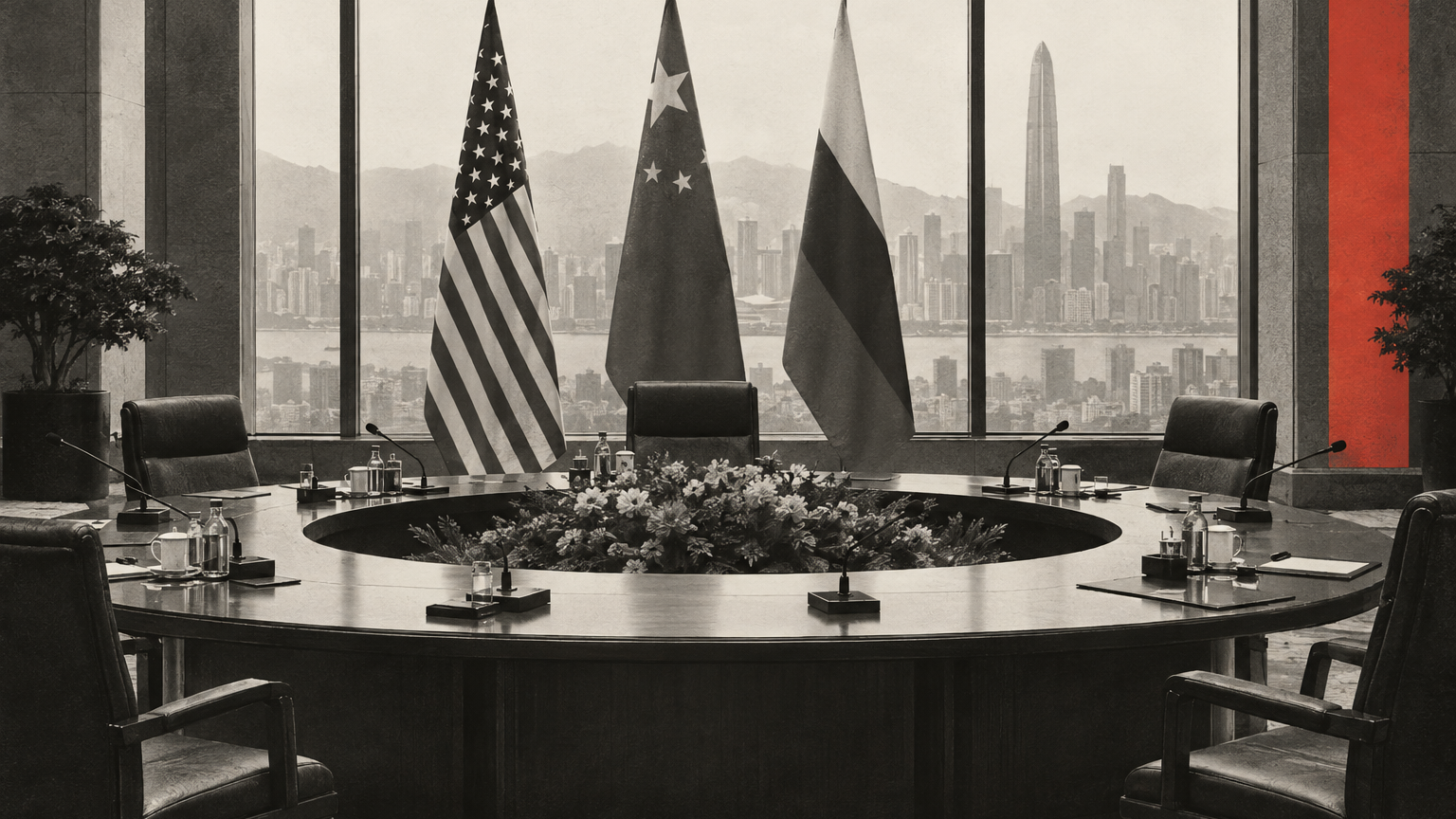
The gathering of leaders from the United States, China, and Russia in Shenzhen, China, on November 19, 2026, marks the first trilateral summit in history. This event appears to be more than just a diplomatic occasion; it could serve as a pivotal moment to gauge the direction of the international order. The summit's potential to either remain symbolic or to reshape America's strategic standing warrants exploration of its possibilities and limitations.
The trilateral summit is scheduled to take place in Shenzhen, China, on November 19, 2026, during the APEC summit, as confirmed by both the White House and the Kremlin. The main topics are expected to be nuclear arms reduction and discussions on the Iran war, with the Ukraine conflict likely excluded. This indicates the United States' focus on nuclear disarmament and Middle Eastern issues.
Some view this summit as a 'New Yalta,' drawing parallels to the Yalta Conference that reshaped the post-war world order. Concerns arise that this meeting could similarly redefine the security landscape of Europe and Asia. Ukraine and European allies may feel anxious about decisions being made without their interests considered.
However, many analysts believe the summit is unlikely to yield substantial agreements. China is not prepared to engage in nuclear disarmament talks and is wary of being tied to the existing framework led by the US and Russia. Thus, the summit may remain more symbolic than substantive.
When Symbolism Overpowers Reality
The most significant message of this summit is that the United States no longer unilaterally leads the global order. China can showcase its role as a mediator and agenda-setter, while Russia gains symbolic recognition of its return to the international diplomatic stage. Conversely, the US may instill doubt among its allies about its centrality.
Domestically, President Trump is eager to mark the summit as a historic moment. However, with his political base weakening, a lack of preparation and strategic leverage could become diplomatic liabilities. Meanwhile, Putin and Xi can negotiate from a position of stability due to their long-term governance.
Some argue that the summit could actually restore America's strategic autonomy. By engaging in nuclear disarmament talks, the US might seek a diplomatic balance to counter both China and Russia. However, this scenario depends on achieving tangible outcomes from the summit.
Even after the summit concludes, the international community will watch to see if America's diplomatic leadership can be restored or if a multipolar system will become more entrenched. European and Asian allies will reassess their trust in the US, while China and Russia may seize the opportunity to expand their influence. Ultimately, this summit could serve as a test for the future direction of the international order.
This article was produced with the assistance of AI using publicly available sources and has undergone The Gist’s factual and source-verification process. Original sources are listed below. Errors and corrections: corrections@thegist.co.kr
Sources
- S1 — CBS News2026-11-14 · accessed 2026-11-16
- S2 — CBS News2026-11-16 · accessed 2026-11-16
- S3 — Brookings Institution2026-11-12 · accessed 2026-11-16
- S4 — Reuters2026-11-14 · accessed 2026-11-16