Security
The Illusion of Safety: What Iran's Drone Attack on Bahrain Reveals
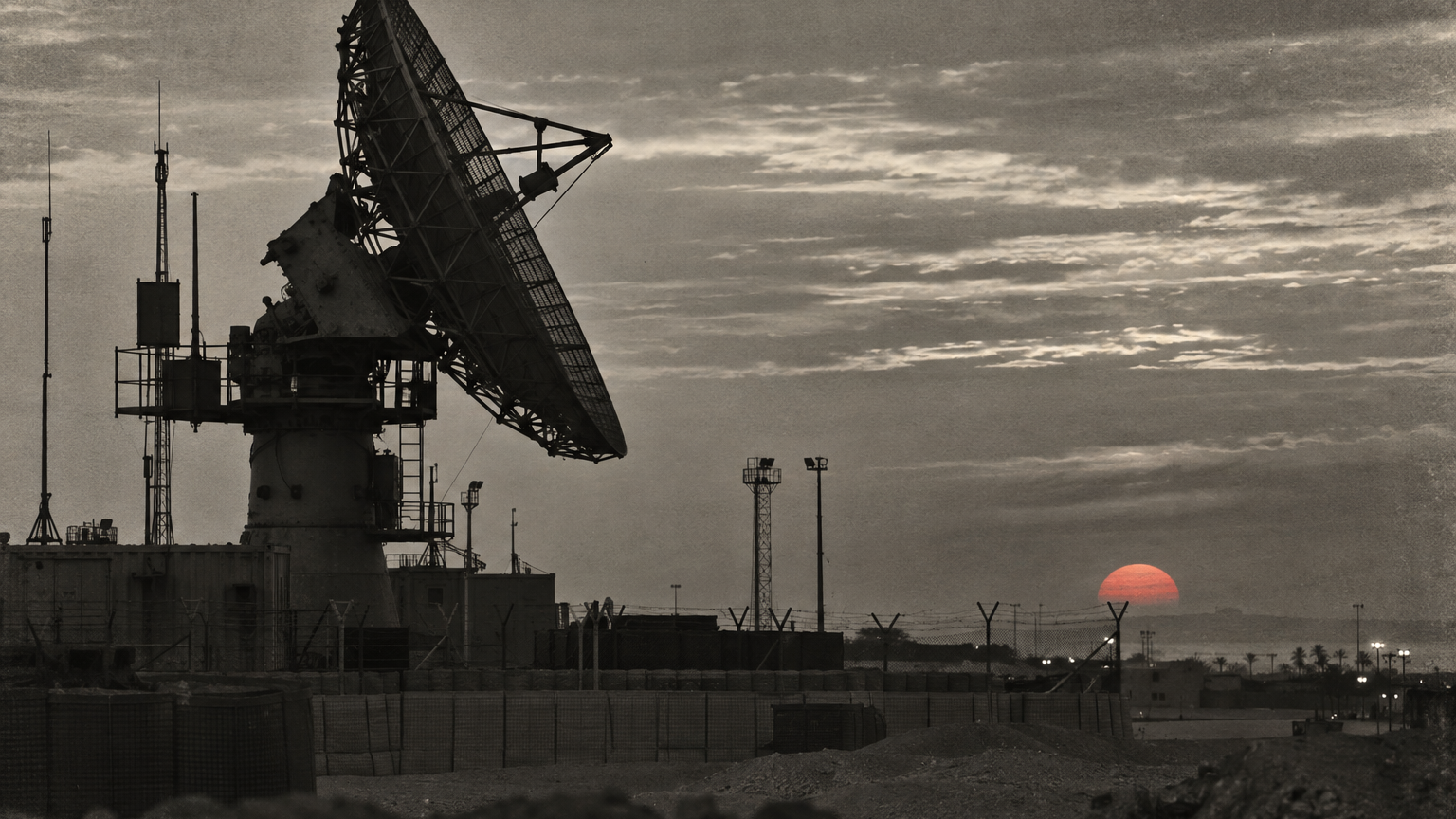
Iran's announcement on November 15, 2026, of launching six drones targeting the U.S. radar system at Bahrain's Al-Riffa helicopter base reveals more than a mere military clash; it underscores how fragile the 'illusion of safety' can be. This attack exposes structural weaknesses in the defense systems built by Bahrain and the U.S., raising fundamental questions about the future of Middle Eastern security.
On November 15, the Iranian Revolutionary Guard Corps (IRGC) announced that it had struck the U.S. early warning radar system at Bahrain's Al-Riffa helicopter base with six drones. In response, Bahraini authorities sounded air raid sirens and advised residents to seek shelter, claiming their air defense network intercepted the attack. The actual damage remains unconfirmed. This incident marked a renewed tension in Bahrain's skies, which had been relatively calm in recent months.
Are Safety Measures Truly Secure?
Iran's attack raises questions about the actual 'safety' of the defense systems established by Bahrain and the U.S. Bahrain, the central base for the U.S. Fifth Fleet, has bolstered its defenses with Patriot missiles, F-16 fighters, and destroyers for years. Despite this, Iran has repeatedly targeted the early warning systems, revealing the technical and strategic vulnerabilities of these defenses.
These repeated strikes carry a strategic message beyond mere military confrontation. By effectively blockading the Strait of Hormuz, Iran aims to demonstrate that the defense systems of the U.S. and Bahrain can collapse at any moment. This can be interpreted as a deliberate strategy to pressure the U.S. to reconsider its military presence in the Middle East.
However, this strategy is not always successful. Bahrain and the U.S. claim to have intercepted the recent attack, and no actual damage has been confirmed. There is also a possibility that Iran's announcement was exaggerated. Some fact-checks suggest that claims of a successful attack were overstated, and Al-Riffa is not the largest U.S. base.
Thus, there is a gap between the effectiveness of the attacks and their strategic impact. Iran intends to test the U.S.'s response capabilities through repeated drone attacks while showcasing its influence in the Middle East. Yet, the success of the defense systems in intercepting attacks and the uncertainty of information reveal the limitations of this strategy.
A New Landscape for Middle Eastern Security
This incident also offers significant insights into the future direction of Middle Eastern security. The U.S. is shifting supply routes to distant locations like Diego Garcia to replace the functions of the Bahrain base, indicating increasing instability in military bases within the region.
The future of Middle Eastern security hinges on 'flexible responsiveness' rather than the 'illusion of defense.' The U.S. and its allies must explore decentralized, multi-layered defense strategies capable of countering asymmetric threats like drones and cyberattacks. Additionally, there is a need to rebalance diplomatic solutions with military deterrence.
Iran's recent drone attack transcends a simple military clash, shaking the fundamental structure of Middle Eastern security. The intersection of defense vulnerabilities, strategic messaging, and response limitations demands deep reflection on what kind of security order will emerge in the Middle East. Readers must continue to question what 'safety' means and how it can be maintained.
This article was produced with the assistance of AI using publicly available sources and has undergone The Gist’s factual and source-verification process. Original sources are listed below. Errors and corrections: corrections@thegist.co.kr
Sources
- S1 — Hürriyet Daily News2026-11-15 · accessed 2026-11-15
- S2 — AP News2026-10-31 · accessed 2026-11-15
- S3 — The Daily Beast2026-09-?? · accessed 2026-11-15
- S4 — Every CRS Report2026-09-23 · accessed 2026-11-15
- S5 — Every CRS Report2026-09-18 · accessed 2026-11-15
- S6 — What the Fact2026-11-15 · accessed 2026-11-15