Security
The Flydubai Cockpit Incident: Where Did the Safety Chain Break?
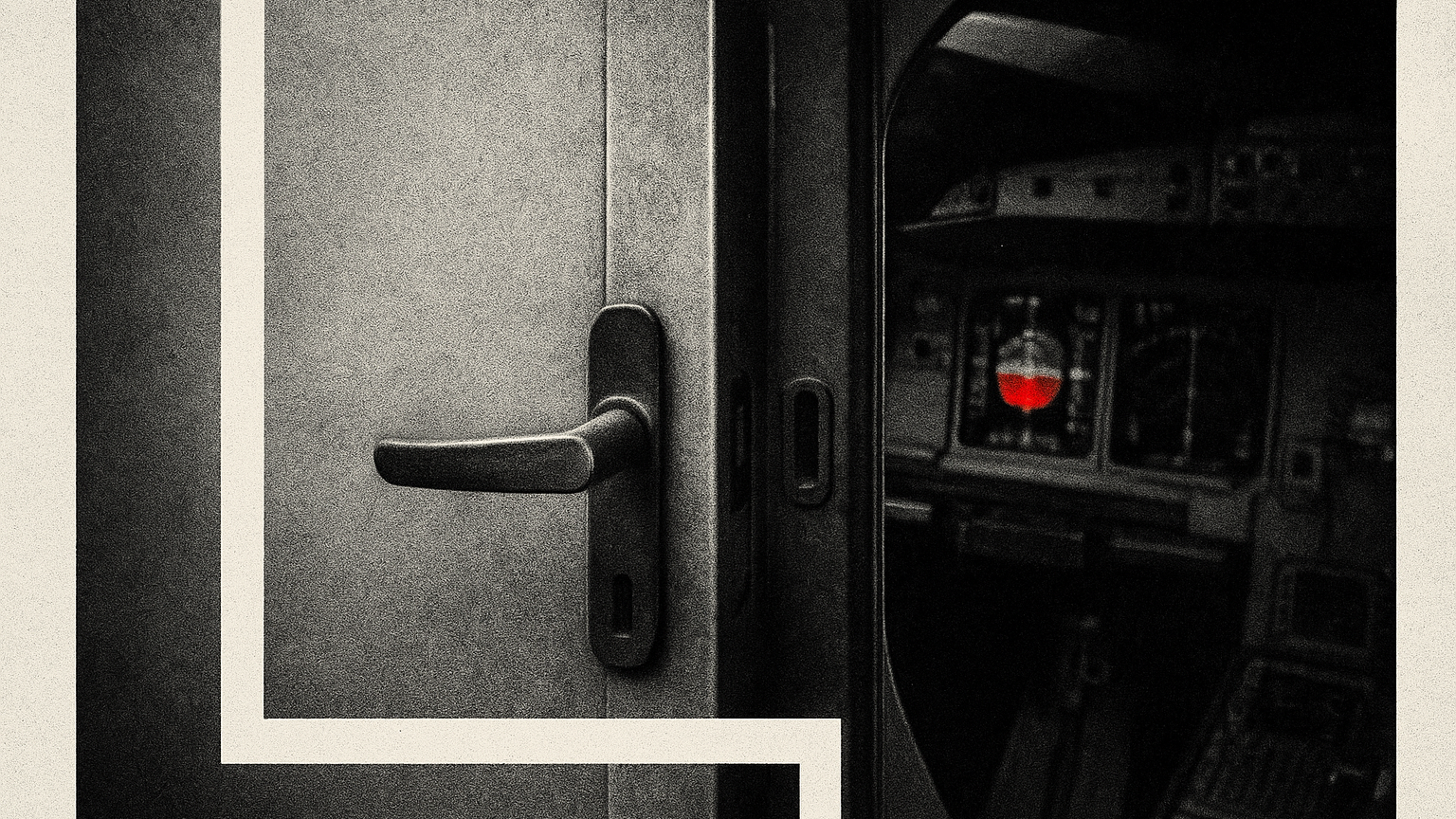
The shocking incident in the Flydubai cockpit cannot be dismissed as mere in-flight violence or the erratic behavior of a mentally unstable individual. The fact that a pilot with extremist tendencies attempted a 'terror attack' raises fundamental questions about aviation security and hiring procedures. How did such an individual end up in the cockpit, and what were the system's shortcomings in failing to screen him out? What lessons should we learn from this event?
The core of this incident lies in the UAE Attorney General's official statement that the pilot attempted a terror attack during the flight. He reportedly used an emergency axe to assault the captain and tried to seize control of the aircraft. This led to a rapid descent that damaged parts of the plane, but fortunately, passengers, crew, and an off-duty pilot intervened, allowing the plane to make an emergency landing at Saudi Arabia's Tabuk airport.
The revelation that the pilot exhibited terrorist tendencies is particularly shocking. He was an Omani national whose flying credentials had been revoked by Oman Air due to extremist tendencies. Despite this, Flydubai hired him, raising questions about whether his past was adequately vetted during the hiring process.
CBS News reported that the pilot had been removed from flying duties at Oman Air after being found visiting extremist websites and was subsequently reassigned to a desk job. He was later hired by Flydubai, but it appears there was a lack of proper information sharing or security vetting with the Omani government. This highlights gaps in information-sharing systems between airlines and countries.
This incident is not merely a case of individual misconduct but a failure of the entire hiring and security system. The fact that this pilot could board a flight to Israel is particularly puzzling, given that he was from a country without diplomatic relations with Israel. Despite agreements to restrict flights by pilots from such countries, he was allowed on board.
Can Safety Protocols Control Relationships?
Aviation security relies on a multi-layered system, including identity checks, psychological evaluations, security screenings, and flight credential verifications. However, this incident demonstrates how all these layers can be rendered ineffective. The pilot's position requires a higher level of trust than that of regular passengers, and we must analyze how that trust was broken and which parts of the system failed.
AP News noted that while the UAE has built a reputation for strong responses to extremist activities, this incident has tarnished that reputation. It is not just about one pilot but a test of the trust in the nation's entire security system.
A passenger stated that watching the disaster documentary 'Mayday' helped them pull the controls and stabilize the plane. This instance of individual courage and experience compensating for system failure also underscores the importance of personal intervention when systems fail.
Conversely, some interpret the incident as a mental health crisis or suicide attempt by the pilot. However, the Israeli Prime Minister and security authorities have classified it as an 'attempted terror attack by Islamic extremism,' not ruling out political or ideological motives beyond a mere suicide attempt.
The most significant challenge this incident leaves behind is the vulnerability of aviation security systems when the human element is involved. It underscores the need for enhanced information sharing and verification in pilot hiring processes and real-time response systems to unusual behavior during flights.
This incident prompts reflection on the future of aviation safety. Beyond technical fixes, it calls for international cooperation, information sharing, and refined psychological evaluations. Above all, it reminds us that when systems fail, human intervention can avert disaster. We hope that next time, the system will work first.
This article was produced with the assistance of AI using publicly available sources and has undergone The Gist’s factual and source-verification process. Original sources are listed below. Errors and corrections: corrections@thegist.co.kr
Sources
- S1 — The National2026-10-03 · accessed 2026-10-03
- S2 — Reuters2026-10-03 · accessed 2026-10-03
- S3 — CBS News2026-10-02 · accessed 2026-10-03
- S4 — Euronews2026-10-03 · accessed 2026-10-03
- S5 — The Guardian2026-10-03 · accessed 2026-10-03
- S6 — AP News2026-10-03 · accessed 2026-10-03