Society
Spain's General Strike: Housing Crisis at the Crossroads of Election
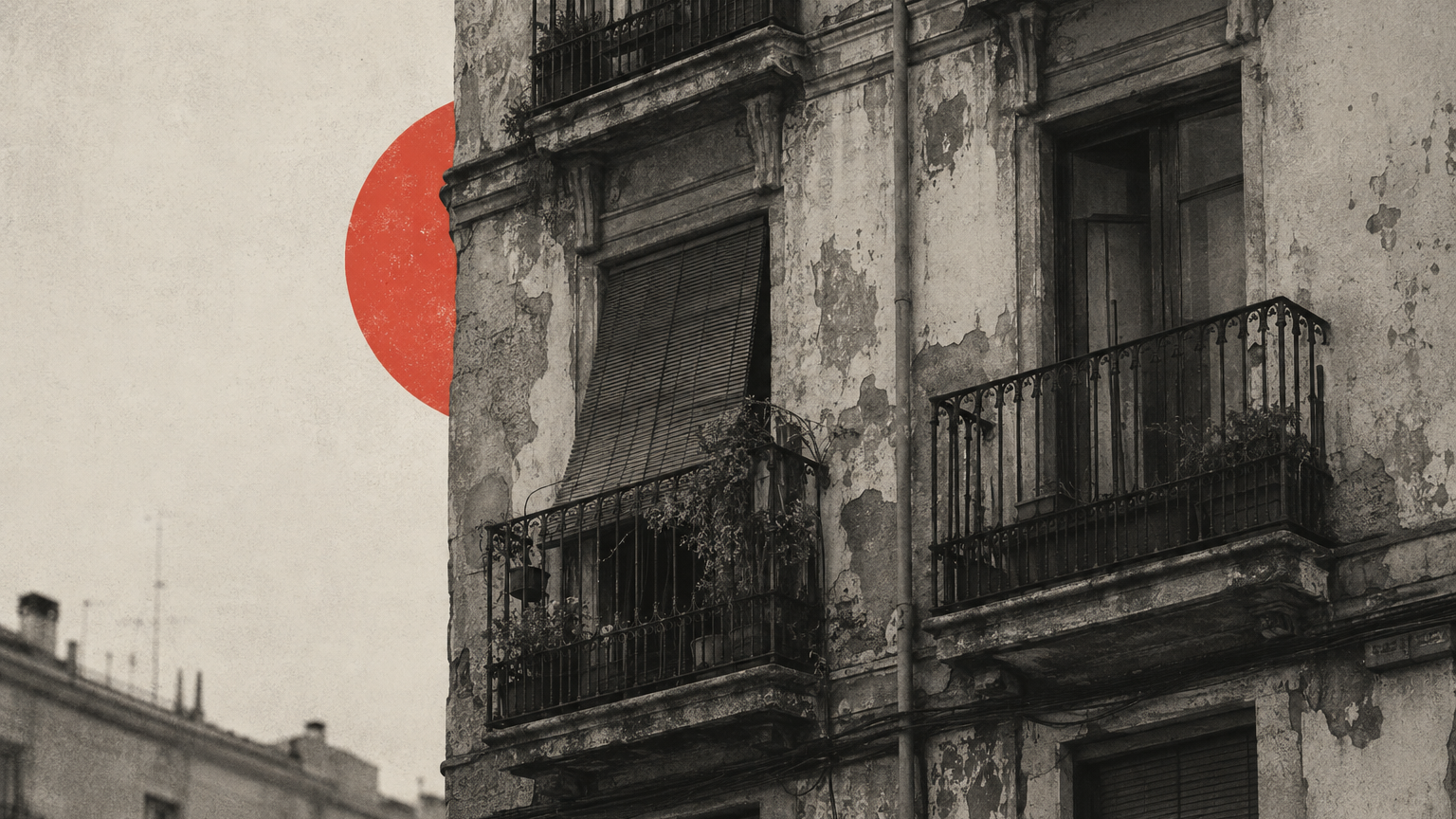
On November 11, Spain witnessed its first general strike in 14 years under the banner 'Rent, Housing, Prices.' This drastic action was not merely a labor dispute but a manifestation of urgent anger over soaring housing costs intersecting with the political election landscape. Why did workers choose the extreme measure of a general strike, and what political and social turning points might this action create in the upcoming November 29 general election?
The backdrop to the Spanish workers' decision to strike lies in the skyrocketing housing costs. Over the past decade, average rents have nearly doubled, with the burden particularly heavy in coastal areas and major cities. This situation has escalated beyond mere economic discontent to a level threatening the very foundation of life. The forced eviction and death of an 87-year-old woman became a symbolic event of this crisis, igniting widespread social outrage.
The general strike united not only labor unions but also tenant organizations. Major unions like CCOO and UGT led the charge, with tenant alliances joining in, transforming the movement into a social campaign combining 'labor rights' and 'housing rights.' This evolved from a simple wage struggle into a political message demanding structural responses to housing inequality.
The timing of this general strike, just before the election, adds to its significance. Prime Minister Sánchez of the Socialist Party called for early elections after failing to pass housing-related legislation in parliament. Despite economic growth and employment gains, housing costs and inflation remained direct challenges to voters' lives. The strike filled this political void and shifted the election agenda to focus on housing issues.
Housing Rights as a Political Weapon
The strike turned 'housing rights' into a weapon on the political stage. Workers and tenants taking to the streets was not just an expression of discontent but a strategic move to elevate housing issues to a central election theme. This action pressures the Sánchez government to reframe its campaign around 'housing,' while offering the conservative bloc a narrative of 'restoring order.'
However, this strategy has its limits. Participation was low in some regions, and the strike's impact was limited in sectors like retail and services. Moreover, if violence or chaos ensues, conservatives could capitalize on this by framing it as 'disorder,' gaining political advantage. Right-wing parties are poised to emphasize their role as 'guardians of order' if the strike fails or turns violent.
The post-election impact of this strike remains uncertain. If the election results in a victory for the right-wing coalition, housing issues risk being sidelined politically. Conversely, if Sánchez retains power or the left performs well, there is potential for housing policies to lead to substantial reforms. This struggle could be a watershed moment, reshaping Spain's housing model beyond mere election strategy.
The extreme measure of a general strike highlights the desperation within Spanish society. This action will not end with a single protest. The debate over housing rights will persist beyond the election, centered on social empathy and political responsibility for 'a life without a home.' Readers should watch whether this struggle ends as just an election scene or becomes a catalyst for redefining Spain's social contract.
This article was produced with the assistance of AI using publicly available sources and has undergone The Gist’s factual and source-verification process. Original sources are listed below. Errors and corrections: corrections@thegist.co.kr
Sources
- S1 — Associated Press· accessed 2026-11-11
- S2 — Associated Press2026-11-11 · accessed 2026-11-11
- S3 — The Guardian2026-11-11 · accessed 2026-11-11
- S4 — AFP2026-11-11 · accessed 2026-11-11
- S5 — Reuters2026-10-06 · accessed 2026-11-11
- S6 — Euronews2026-10-05 · accessed 2026-11-11