Technology
Roman Telescope's New Vision: What Star-Blocking Technology Could Reveal
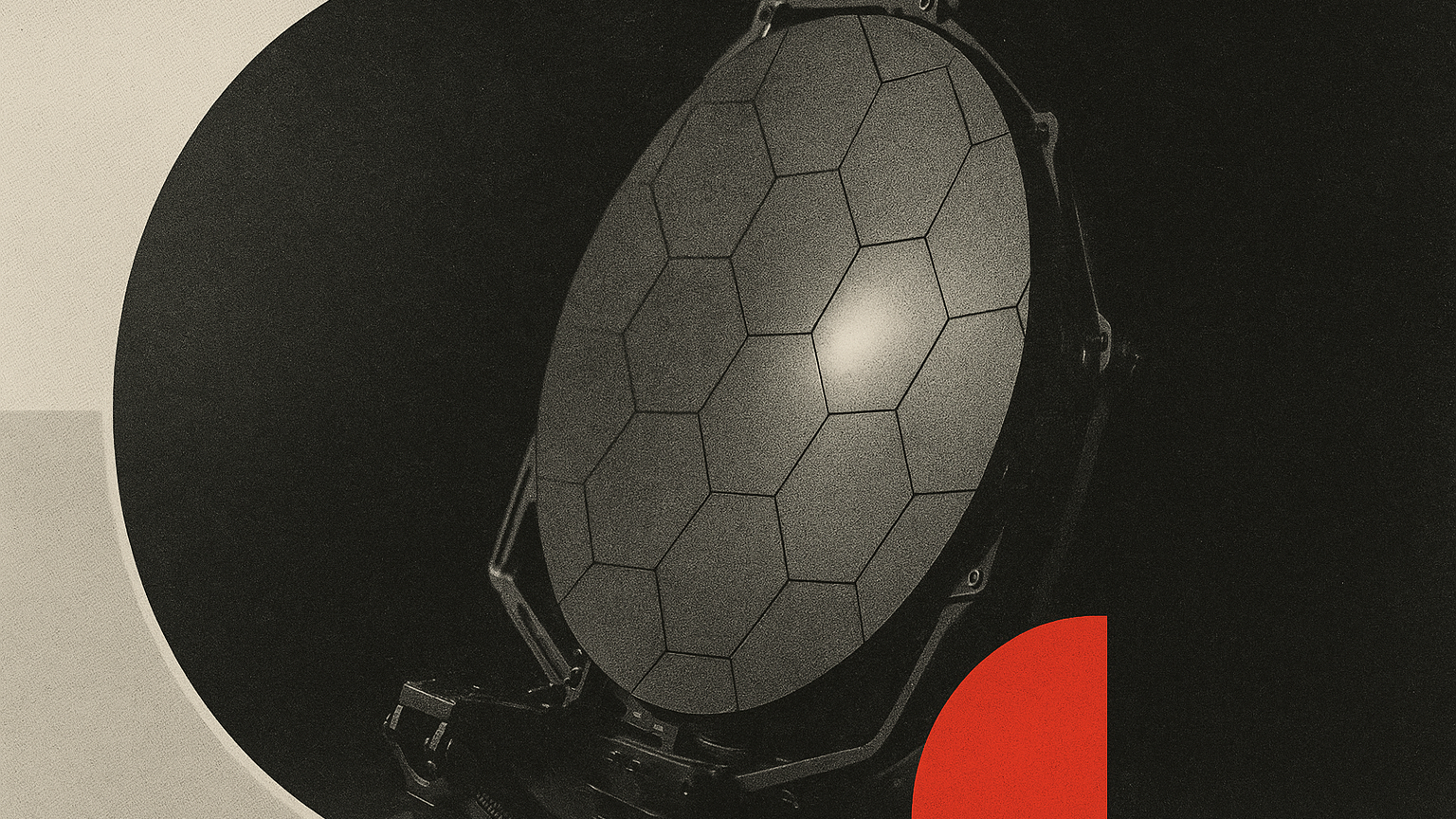
On September 15, 2026, NASA announced the successful activation of the Wide Field Instrument on the Nancy Grace Roman Space Telescope, along with the completion of initial tests for the Coronagraph. This news goes beyond mere equipment operation, sparking hopes for a technological turning point in directly capturing exoplanets from space. How innovative is this Coronagraph technology, and what does its operation in space signify?
The recently activated Wide Field Instrument is a 300-megapixel infrared camera capable of rapidly scanning a sky area larger than the moon with Hubble-like resolution. This activation marks the first 'opening of eyes' in space, signaling the start of data collection that could capture billions of galaxies, exoplanets, and traces of dark energy. It's a milestone that elevates the scale and speed of space observation beyond mere technical achievement.
More intriguing, however, is the successful initial testing of the Coronagraph. This device blocks starlight to directly capture the faint exoplanets around them, marking a technological milestone by proving its functionality in space. The fact that this technology operates in the space environment brings the possibility of direct exoplanet observation closer to reality.
What Becomes Visible When Starlight is Blocked
The Coronagraph is a sophisticated system composed of masks, prisms, deformable mirrors, and sensors. It suppresses diffraction and scattering of starlight to reveal the dim exoplanets around them. Notably, the deformable mirrors operate with precision fine enough to correct errors smaller than a DNA strand, enabling high-contrast imaging in space.
This technology is estimated to be 100 to 1,000 times more effective than existing space-based Coronagraphs. Previously, only bright and young exoplanets were observable, but Roman's Coronagraph has the potential to capture much fainter, older exoplanets or those orbiting closer to their stars.
Such technological advancements lay the groundwork for future space telescopes, particularly missions like the Habitable Worlds Observatory aimed at exploring Earth-like exoplanets. If Roman's Coronagraph operates successfully in space, it could directly influence the design of next-generation telescopes.
Operation in Space and Remaining Questions
Yet, whether its operation in space will lead to actual observational success remains uncertain. While ground tests were successful, variables like temperature changes, vibrations, and radiation in space could impair its performance. Reports have raised concerns about the Coronagraph's ability to function properly outside the lab, especially in space.
Additionally, it's important to note that the Coronagraph is not the primary scientific instrument of the Roman Telescope but a technology demonstration device. Its purpose is more about proving technological feasibility than collecting scientific data. Therefore, further observation plans and community involvement are needed to obtain actual exoplanet images.
Nevertheless, the initial success of the Coronagraph's operation is a strong signal that high-contrast imaging technology is feasible in space. If this technology is incorporated into future space telescope designs, we may one day directly observe Earth-like exoplanets.
What remains is whether the Coronagraph can actually capture exoplanets and how its results might shift the paradigm of space life exploration. The small window opened by Roman could become a door for future telescopes to illuminate deeper and broader reaches of the universe.
This article was produced with the assistance of AI using publicly available sources and has undergone The Gist’s factual and source-verification process. Original sources are listed below. Errors and corrections: corrections@thegist.co.kr
Sources
- S1 — NASA Science2026-09-15 · accessed 2026-09-17
- S2 — NASA Science· accessed 2026-09-17
- S3 — NASA2024-10-28 · accessed 2026-09-17
- S4 — NASA JPL· accessed 2026-09-17
- S5 — The Atlantic2026-08-?? · accessed 2026-09-17