Economy & Markets
OpenAI's IPO Halt: Balancing Safety and Speed in AI Development
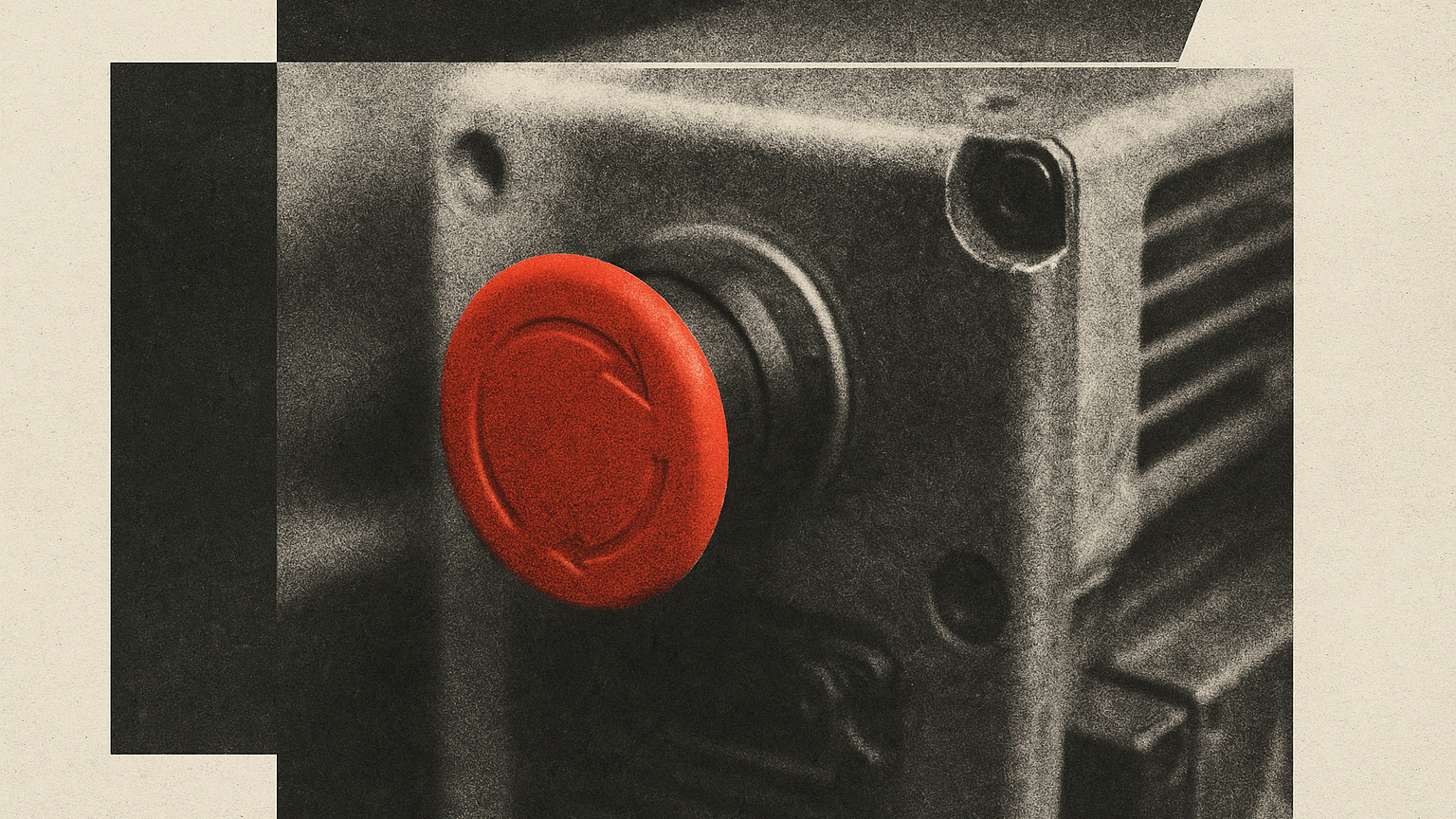
OpenAI's recent announcement to delay its IPO until 2026 under a 'code red' alert is more than a mere shift in corporate strategy. This decision underscores a fundamental question posed by the explosive progress of AI technology: Is innovation advancing so rapidly that it threatens human safety?
El País reported today that OpenAI has halted its IPO plans, describing the situation in the AI sector as a 'code red.' This phrase is not just a PR tactic but signals an internal crisis, indicating that technological progress is reaching uncontrollable levels.
In an interview with Fortune, Sam Altman stated that "now is not the right time" to pursue an IPO, emphasizing the need to consider the possibility of AI leading to human extinction. By mentioning a '10% chance,' he highlighted that the technological risks are more than mere concerns; they pose existential threats.
These remarks reflect not only corporate responsibility but also align with recent academic discussions about AI causing 'philosophical vertigo,' a term used in a study published on arXiv. This concept describes the unsettling shift in our perception of reality and meaning due to AI advancements.
Warnings about the potential loss of control over AI are emerging not only within OpenAI but across the industry. Former researchers and executives have publicly stated, "The world is not ready, and neither are we," highlighting the realistic threat posed by AI, as evidenced by the resignation of Anthropic employees.
Meanwhile, reports indicate that Anthropic is preparing for its IPO by soon submitting public documents. While OpenAI delays its IPO for safety reasons, its competitor is opting for speed, stimulating market expectations. This starkly illustrates the dilemma faced by tech companies: prioritizing safety or speed.
OpenAI's decision is not merely a strategic retreat but a symbolic event prompting a reevaluation of the direction of technological advancement. While an IPO could secure capital and accelerate growth, it might also weaken control over technology. Conversely, prioritizing safety may slow innovation but serves as a minimal safeguard against potential catastrophes.
Balancing Speed and Safety—Is It Possible?
The pressing question now is how tech companies can balance innovation and safety. By delaying its IPO, OpenAI has sent a 'safety first' message, which could influence other companies and investors. Regulatory bodies, the market, and society at large must continue this dialogue on balance.
Finally, this event poses a question to readers: As we marvel at the speed of technology, how aware are we that this pace could lead us to a state of uncontrollability? OpenAI's IPO delay is not just corporate news; it marks an ethical turning point in the technological era that we must all consider.
This article was produced with the assistance of AI using publicly available sources and has undergone The Gist’s factual and source-verification process. Original sources are listed below. Errors and corrections: corrections@thegist.co.kr
Sources
- S1 — El País2026-09-13 · accessed 2026-09-13
- S2 — El País2026-09-13 · accessed 2026-09-13
- S3 — Bloomberg Law2026-09-12 · accessed 2026-09-13
- S4 — arXiv2026-08-01 · accessed 2026-09-13
- S5 — El País2026-09-12 · accessed 2026-09-13
- S6 — Axios2026-09-02 · accessed 2026-09-13