Economy & Markets
OPEC+'s Decision: Strategic Pause or Mere Inertia?
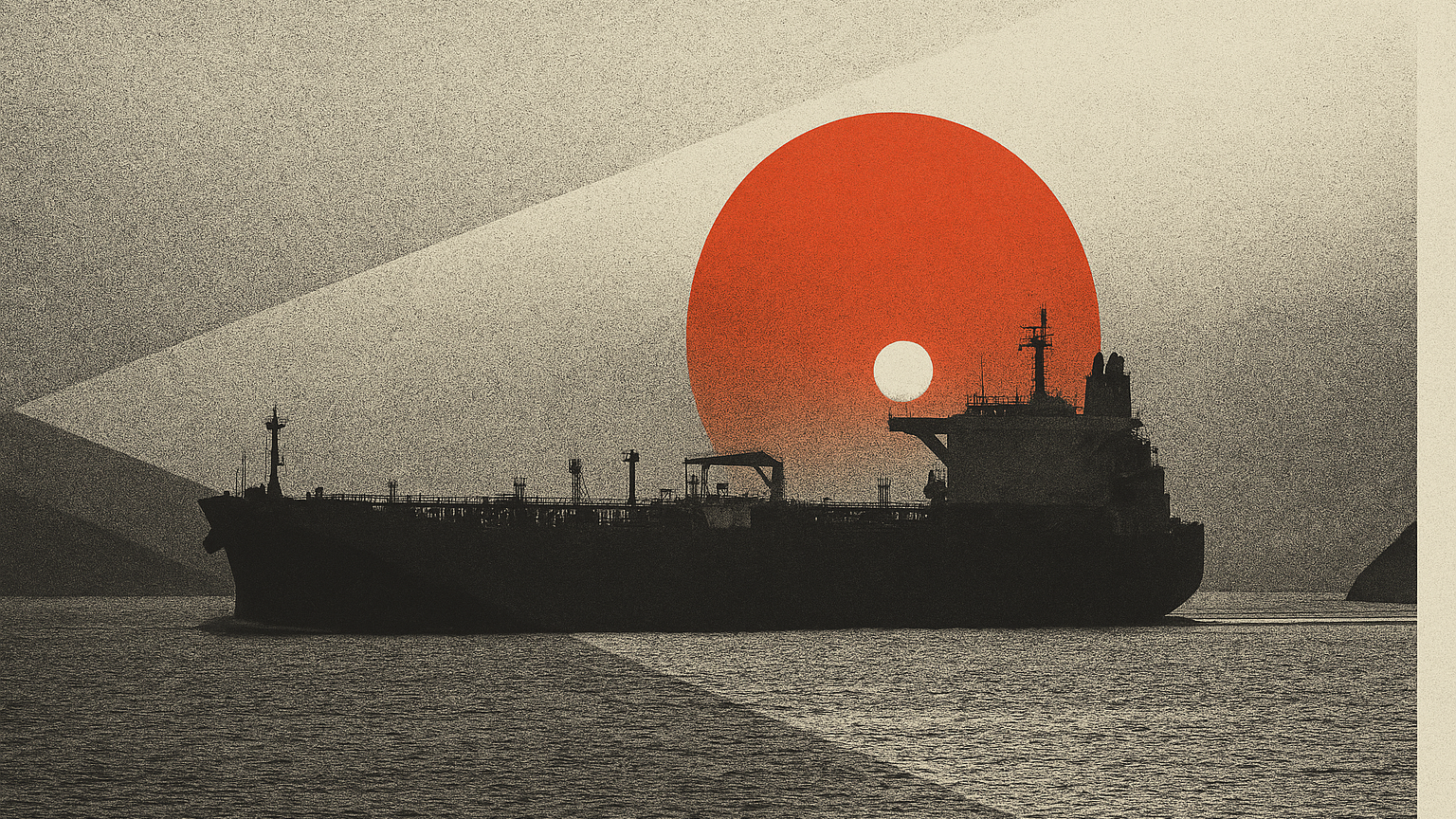
OPEC+'s decision to keep its oil production targets unchanged in November 2026 raises questions about whether this is a mere extension of inertia or a strategic balance amid Middle Eastern conflicts and global market uncertainties. This inquiry goes beyond a single month's policy maintenance, offering critical insights into OPEC+'s policy direction and the future of the international energy market.
OPEC+ decided to maintain its September production levels through November 2026. This marks the second consecutive month of fixed production targets, following the lifting of a voluntary 1.65 million barrel cut in September. Despite this, a 2 million barrel reduction will continue through the end of the year. This decision appears to reflect concerns over supply uncertainties due to war and market stability, rather than mere inertia.
The backdrop of this decision includes the war risks surrounding the Middle East, particularly the Strait of Hormuz. This strategic chokepoint accounts for about 20% of global oil and LNG supply and has been effectively closed since the war between the U.S. and Iran began on February 28. Iran has maintained a hardline stance, demanding U.S. troop withdrawal, sanction relief, and the return of frozen assets as conditions for reopening the strait. These geopolitical risks highlight that OPEC+'s decision is more constrained by 'realistic limitations' than 'policy flexibility.'
Actual production levels are significantly below targets. As of August, the production of seven key OPEC+ countries was 25 million barrels per day, an increase of 630,000 barrels from the previous month but still about 5 million barrels short of pre-war levels in February. This underscores the persistent gap between policy goals and actual production. Particularly, Gulf oil exporters have seen their exports remain at 60-80% of pre-war levels, revealing structural limitations that prevent actual supply from meeting increased production targets.
Is It a Policy 'Pause' or a Constraint of Reality?
OPEC+'s maintenance of production targets can be interpreted as a strategic choice in response to supply uncertainties caused by war, rather than an extension of inertia. The review of member countries' production capacities, a key procedure for determining 2027 production quotas, has been delayed due to the war's impact. This suggests that adjustments to quotas may be postponed until after 2027, indicating that the current 'pause' might be a preparatory stage for future policy shifts.
According to an official OPEC announcement, the seven key countries will maintain September production levels through November 2026 and continue reduction measures until the end of the year. Additionally, a meeting is scheduled for November 1 to assess market conditions monthly. This indicates an intention not only for short-term responses but also to secure market stability and policy flexibility.
What message does this strategy send to the market? Traders are likely to interpret this decision as confirmation that actual supply constraints, rather than policy, are the limiting factors. In other words, while OPEC+ has room to adjust supply, external factors—war and physical constraints—currently exert greater influence.
There is another perspective. Some analysts view OPEC+'s maintenance of production targets as a deliberate strategy to keep oil prices above a certain level. By limiting supply, they aim to prevent price drops and provide market stability. However, with the current ambiguity over whether the supply shortage is policy-driven or war-induced, the long-term effectiveness of this strategy remains uncertain.
Looking ahead, the impact of OPEC+'s next moves hinges on the review of production capacities for 2027 quotas. If the war prolongs or the strait remains closed, supply recovery will be slow, forcing OPEC+ to maintain a flexible policy stance. Conversely, if the war eases and the strait reopens, production targets may be adjusted to align with reality.
The remaining question is whether OPEC+'s choice of 'pause' is a short-term response or the beginning of a new post-war normal. If supply chain recovery lags even after the war ends, how will OPEC+ manage the long-term gap between production targets and actual supply? This question transcends mere policy decisions, posing a broader challenge in the context of reshaping the international energy order.
This article was produced with the assistance of AI using publicly available sources and has undergone The Gist’s factual and source-verification process. Original sources are listed below. Errors and corrections: corrections@thegist.co.kr
Sources
- S1 — The National2026-10-04 · accessed 2026-10-04
- S2 — Reuters via Investing.com2026-10-04 · accessed 2026-10-04
- S3 — OPEC2026-09-06 · accessed 2026-10-04
- S4 — Saudi Press Agency (SPA)2026-10-04 · accessed 2026-10-04
- S5 — Global Energy Report2026-09-30 · accessed 2026-10-04
- S6 — Seoul Economic Daily via Sedaily.com2026-10-04 · accessed 2026-10-04