Security
Missile Clash Between Saudi Arabia and Houthis: Defense Sustainability and Strategic Implications
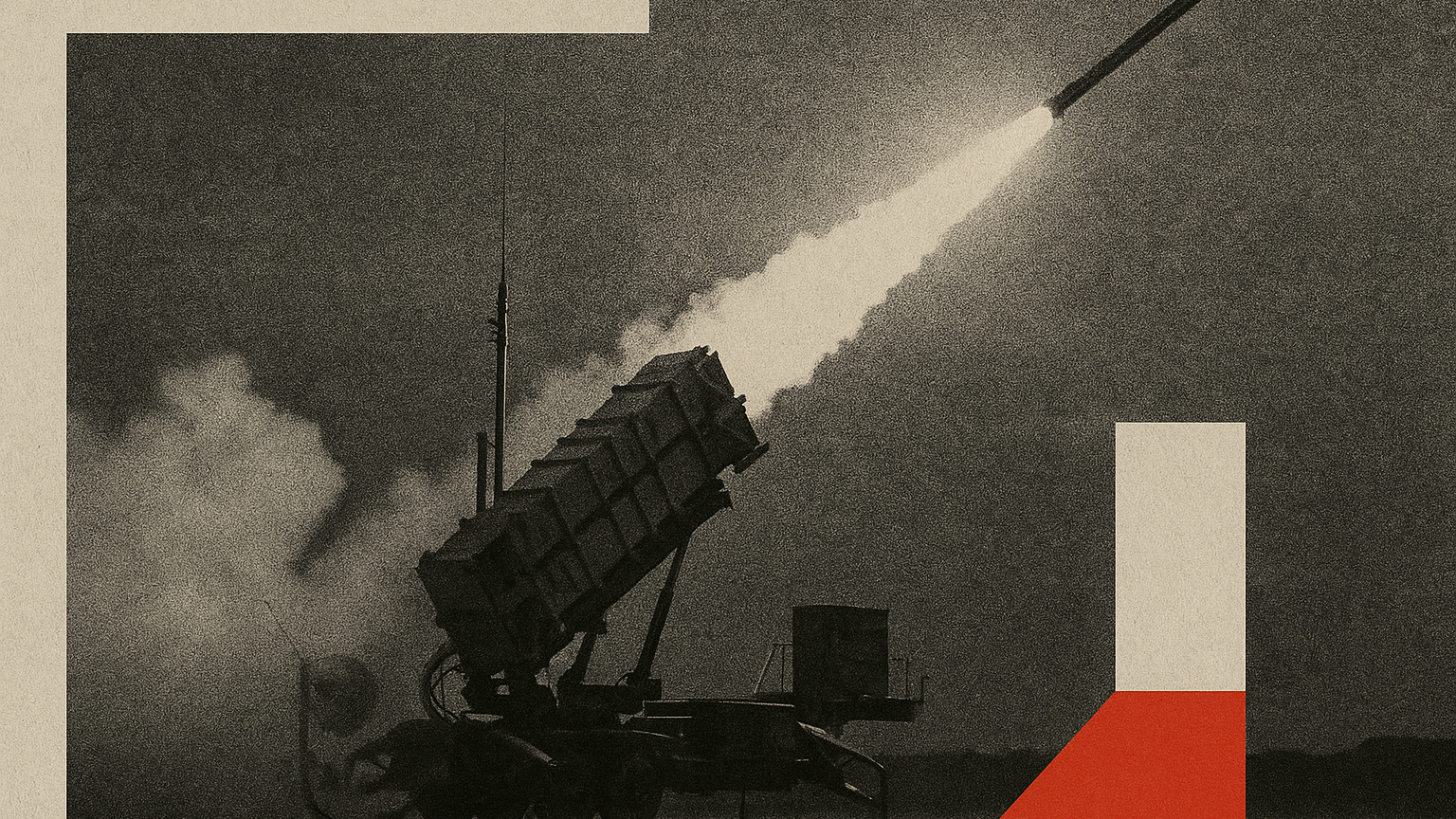
On September 24, 2026, the Saudi-led coalition announced it had intercepted six ballistic missiles launched by Houthi rebels. This incident signals a new phase in Middle Eastern security, where Houthi offensive capabilities and Saudi defensive systems collide. How have Houthi missile strategies and Saudi interception capabilities evolved, and what impact might this skirmish have on future regional security?
The announcement began with the Saudi coalition stating that it intercepted six ballistic missiles launched by Houthi rebels toward Taif and Yanbu. According to Al Jazeera, some of these were intercepted by a Patriot system operated by Greek forces, who reported shooting down both ballistic missiles and drones. The integration of foreign military equipment and personnel into Saudi defenses underscores the importance of multinational cooperation beyond mere national defense.
Since 2015, the Houthi rebels have steadily enhanced their ballistic missile capabilities with Iranian technological support. Particularly since 2016, they have targeted key Saudi infrastructure, evolving tactics to threaten strategic chokepoints like the Bab el-Mandeb Strait. This strategy is interpreted as an attempt to secure leverage through economic and psychological pressure, beyond mere military aggression.
In response to these threats, Saudi Arabia has developed a multi-layered defense network centered around the Patriot missile defense system. Although there were interception failures, such as the 2018 Riyadh missile attack, improvements have since increased interception success rates. The key role played by the Greek-operated system in this instance highlights Saudi Arabia's expansion of defense capabilities through cooperation with foreign military assets.
The Dilemma of Defense Sustainability and Costs
However, the sustainability of such defense systems faces challenges. Recent reports indicate that Saudi Arabia has requested support from allies due to a shortage of missile interception ammunition. This suggests that while effective in the short term, the defense system may encounter practical limits of resource depletion and cost burdens in the long run.
Meanwhile, the Houthi strategy is not without flaws. They often target civilian infrastructure, drawing international criticism and struggling to justify their political objectives. Additionally, their missile launch infrastructure is vulnerable to counterattacks, meaning the balance between offense and defense can easily be disrupted.
This skirmish raises new questions for Middle Eastern security dynamics. First, how critical will multinational military cooperation be in Saudi Arabia's defense strategy? Second, will the Houthi missile strategy influence other non-state actors in the region? Third, how should international support systems be structured to ensure the sustainability of defense resources? These questions demand structural changes in regional security systems, beyond mere military responses.
The remaining question for readers is whether this skirmish will end as an isolated incident or become a catalyst for reshaping the military and political dynamics of the Middle East. As Houthi attacks and Saudi defenses continue, the international community must look beyond simple military clashes to sustainable security cooperation, resource management, and political solutions.
This article was produced with the assistance of AI using publicly available sources and has undergone The Gist’s factual and source-verification process. Original sources are listed below. Errors and corrections: corrections@thegist.co.kr
Sources
- S1 — Al Jazeera2026-09-24 · accessed 2026-09-24
- S2 — Center for Strategic and International Studies (CSIS)2022-??-?? · accessed 2026-09-24
- S3 — ACLED2022-??-?? · accessed 2026-09-24
- S4 — Wikipedia2026-??-?? · accessed 2026-09-24
- S5 — Associated Press2026-09-16 · accessed 2026-09-24
- S6 — The Washington Post2026-09-19 · accessed 2026-09-24