Economy & Markets
How Canada Might Respond to the US's 50% Tariff
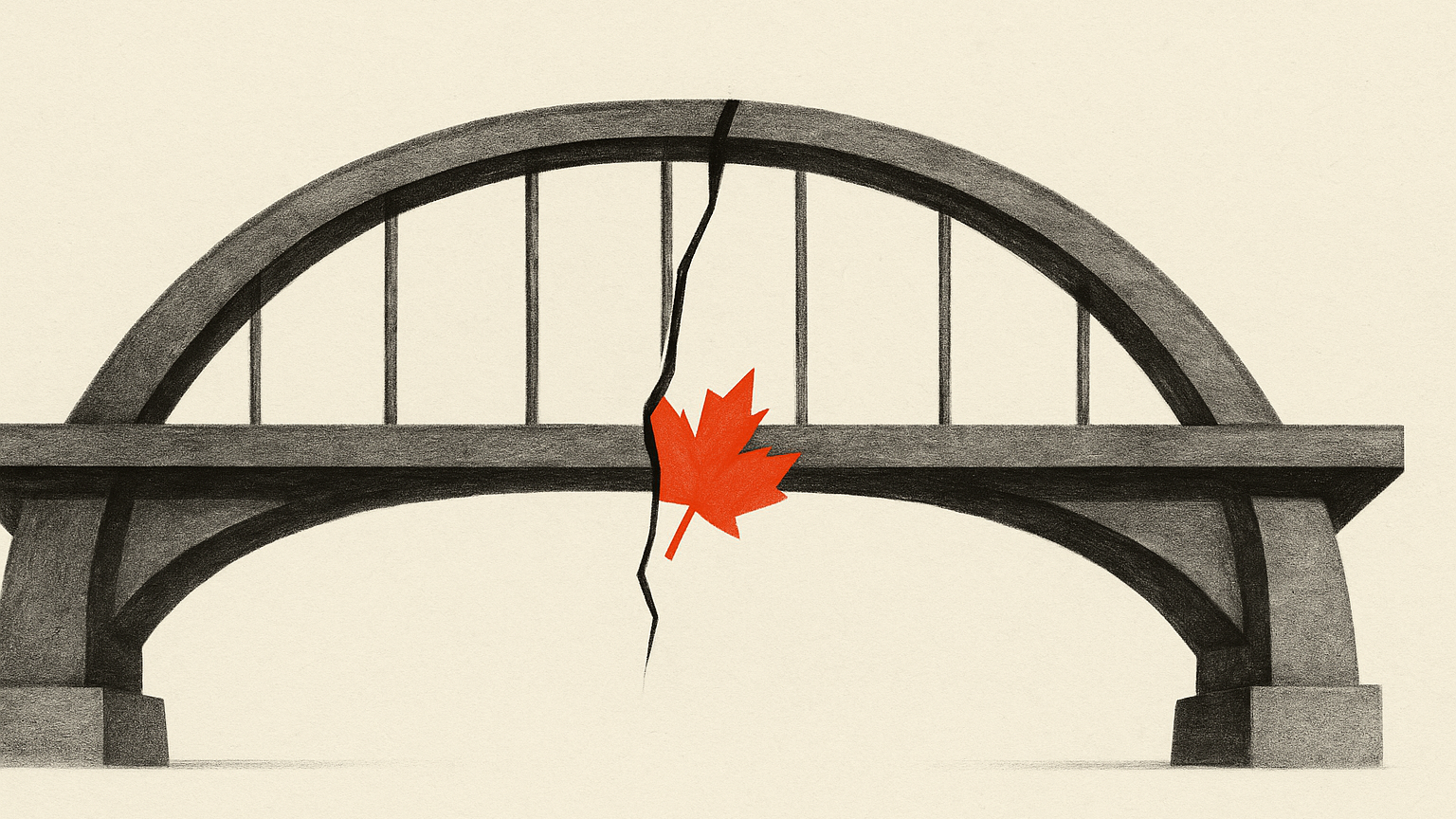
The breakdown of trade negotiations between the US and Canada, leading to the US imposing a 50% tariff on Canadian products, signifies more than a mere economic measure. Understanding whether this move is a strategic pressure to enhance negotiation leverage or a harbinger of a full-scale trade war, and how Canada might respond, is key to grasping the current situation.
The immediate trigger for this situation was the US imposing a 50% tariff on billions of dollars' worth of Canadian goods, including lumber, electrical equipment, hockey gear, and alcohol, under Section 338 of the 1930 Tariff Act. This measure took effect at midnight on August 22, prompting Canadian Prime Minister Mark Carney to swiftly declare a "dollar-for-dollar" retaliation.
To determine whether this is merely a negotiation tactic or the start of a full-scale trade war, it is essential to examine the precedent and context of the US using this authority. According to CSIS analysis, this is the first instance of a US president invoking Section 338 to impose tariffs, and it carries a strategic message, given that Canada is one of the few countries to impose retaliatory tariffs on the US.
Why is Canada responding so firmly? The Canadian government has criticized the US for taking discriminatory measures to protect its industries in sectors like automobiles, dairy, and alcohol. The imposition of these tariffs appears to be a response to this imbalance, with Canada making a strategic choice to protect its sovereignty and industries in trade negotiations.
However, the effectiveness of this response is questionable. A report from the Bank of Canada suggests that the tariffs could lower Canada's GDP by about 1.5% by the end of 2026, with continued export declines and restructuring pressures in key industries such as steel, aluminum, lumber, and automobiles. Steel exports have halved, and while aluminum has partially shifted to European markets, profitability remains low.
In this context, Canada's response strategy is moving beyond mere retaliation to seek structural transformation. Canada is working to reduce its dependence on the US by pursuing trade diversification and implementing policy measures to enhance the resilience of its domestic industries.
From another perspective, the US's move might not be a full-scale war but rather a pressure card to maximize negotiation leverage. The Trump administration has previously used tariff threats as a negotiation tool, sometimes delaying or withdrawing them just before implementation. Thus, the 50% tariff might be a strategic rhetoric to bring Canada back to the negotiation table.
What are the potential ripple effects? The US's latest move could impact not only Canada but also the global trade order. For instance, uncertainty within the USMCA framework might increase, and other countries could consider similar responses. If Canada's trade diversification strategy succeeds, the North American trade structure itself could be reshaped.
In summary, the 50% tariff is not merely an economic measure but a complex event straddling the line between negotiation and warfare. Canada is seeking to secure strategic autonomy through firm responses and structural transformation, while the US aims to maximize its negotiation leverage.
The remaining questions are how much Canada can enhance the resilience of its industries through this response, and whether the US will maintain this tariff as a negotiation card or shift it into a long-term trade policy. These questions suggest that this situation is not just a simple clash but a significant turning point for the future of North American trade order.
This article was produced with the assistance of AI using publicly available sources and has undergone The Gist’s factual and source-verification process. Original sources are listed below. Errors and corrections: corrections@thegist.co.kr
Sources
- S1 — Bloomberg News (via Bloomberg Law)· accessed 2026-08-22
- S2 — Bloomberg News (via Bloomberg Law)2026-08-22 · accessed 2026-08-22
- S3 — AP News2026-08-22 · accessed 2026-08-22
- S4 — CSIS2026-07-21 · accessed 2026-08-22
- S5 — Bank of Canada2026-01-28 · accessed 2026-08-22
- S6 — Bank of Canada2026-04-29 · accessed 2026-08-22
- S7 — Bloomberg News2026-08-19 · accessed 2026-08-22