Society
France's Day of Rage: Unrest and the Questions That Follow
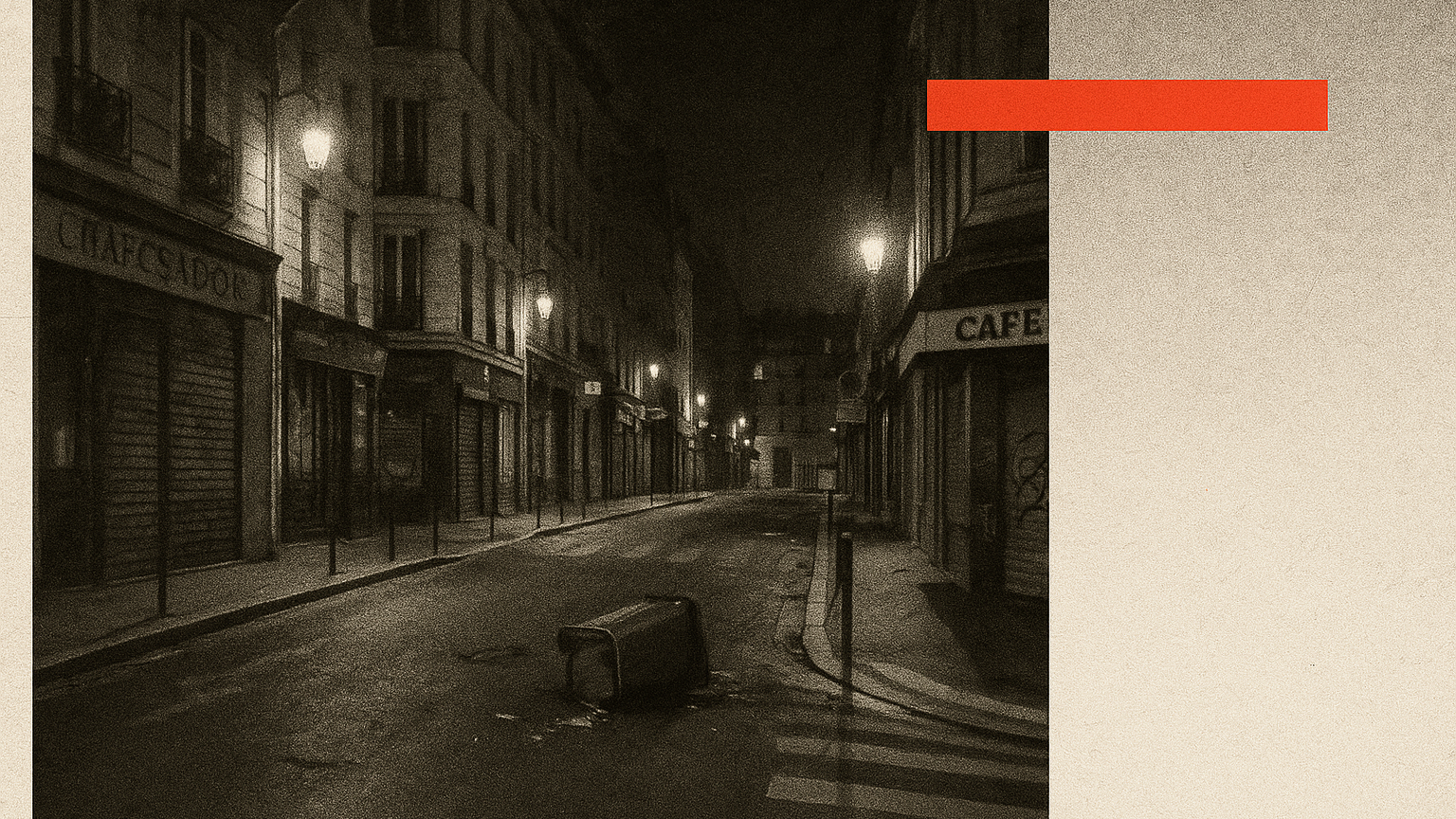
On October 17, students demanding better educational conditions and citizens angry over rising living costs took to the streets across France. What began as peaceful protests escalated into looting and arson in some cities, with the interior minister admitting that police had lost control. President Macron rejected the minister's resignation and instructed the prime minister to implement local curfews and devise new security strategies. This series of events seems to be more than just a violent turn in protests; it reflects the eruption of structural tensions and political distrust within French society. The key questions now are what context leads to these recurring violent protests and how effective curfews can be as a response.
The recent protests in France emerged from a combination of student dissatisfaction with educational conditions and the burden of living costs on ordinary citizens. Overcrowded classes, a shortage of teachers, and insufficient investment in public education were legitimate grievances for the youth. At the same time, citizens were frustrated by rising fuel prices and inflation, leading to nationwide protests. This complex set of grievances failed to converge into a single political demand, resulting in loosely connected groups and movements turning violent. This is closely tied to the fragmented political structure of French society.
France has a long tradition of 'street politics.' Since the Yellow Vest movement, protests have become more than just a means to convey demands; they have become a platform for expressing political distrust and dissatisfaction. The government has struggled to absorb these protests into institutional politics. In the recent protests, the government's narrative framed students' legitimate demands as being distorted by 'far-left elements' or 'violent groups.' This approach seems to simplify the situation by ignoring the structural causes of the protests and placing the blame for violence on specific factions.
The prime minister's recommendation for local curfews appears to be a measure for immediate security restoration, but it also carries a political message. By separating the 'legitimacy' of protests from their 'violence,' the government emphasizes its role as the restorer of order. However, it is questionable whether curfews can actually reduce violence and address the structural causes of the protests. Instead, curfews might reinforce the perception of 'state oppression' among protesters and could deepen mistrust in the long term.
The French government has emphasized 'transparency' in its security strategy following the recent events. The interior minister acknowledged the lack of prior information and inadequate police deployment, promising to disclose future failures. While this may appear as responsible governance, it could also be seen as 'political responsibility avoidance.' Without substantial measures to address the root causes, such as the lack of educational investment or the burden of living costs, focusing solely on security responses might lead to repeated issues.
Another perspective views the recent events as a 'political turning point.' As Macron's term nears its end, and with political forces on both extremes gaining strength, these protests are interpreted as more than just expressions of social discontent. They could influence the upcoming presidential election landscape. The rise in polls for far-right and far-left candidates suggests that these protests may have significant political repercussions.
The remaining question is whether France will treat this situation as a short-term security crisis or use it as a catalyst for structural reform. While curfews and increased police presence might offer immediate effects, without investment in education and public services and the restoration of political inclusivity, the cycle is likely to repeat. How French society remembers and responds to this crisis will be a crucial turning point for its future political direction.
This article was produced with the assistance of AI using publicly available sources and has undergone The Gist’s factual and source-verification process. Original sources are listed below. Errors and corrections: corrections@thegist.co.kr
Sources
- S1 — Al Jazeera2026-10-19 · accessed 2026-10-19
- S2 — Le Monde (English)2026-10-19 · accessed 2026-10-19
- S3 — AFP2026-10-19 · accessed 2026-10-19
- S4 — The Washington Post2026-10-18 · accessed 2026-10-19
- S5 — Le Monde (English)2026-10-19 · accessed 2026-10-19