Politics
France's Curfew: A Measure Beyond Order
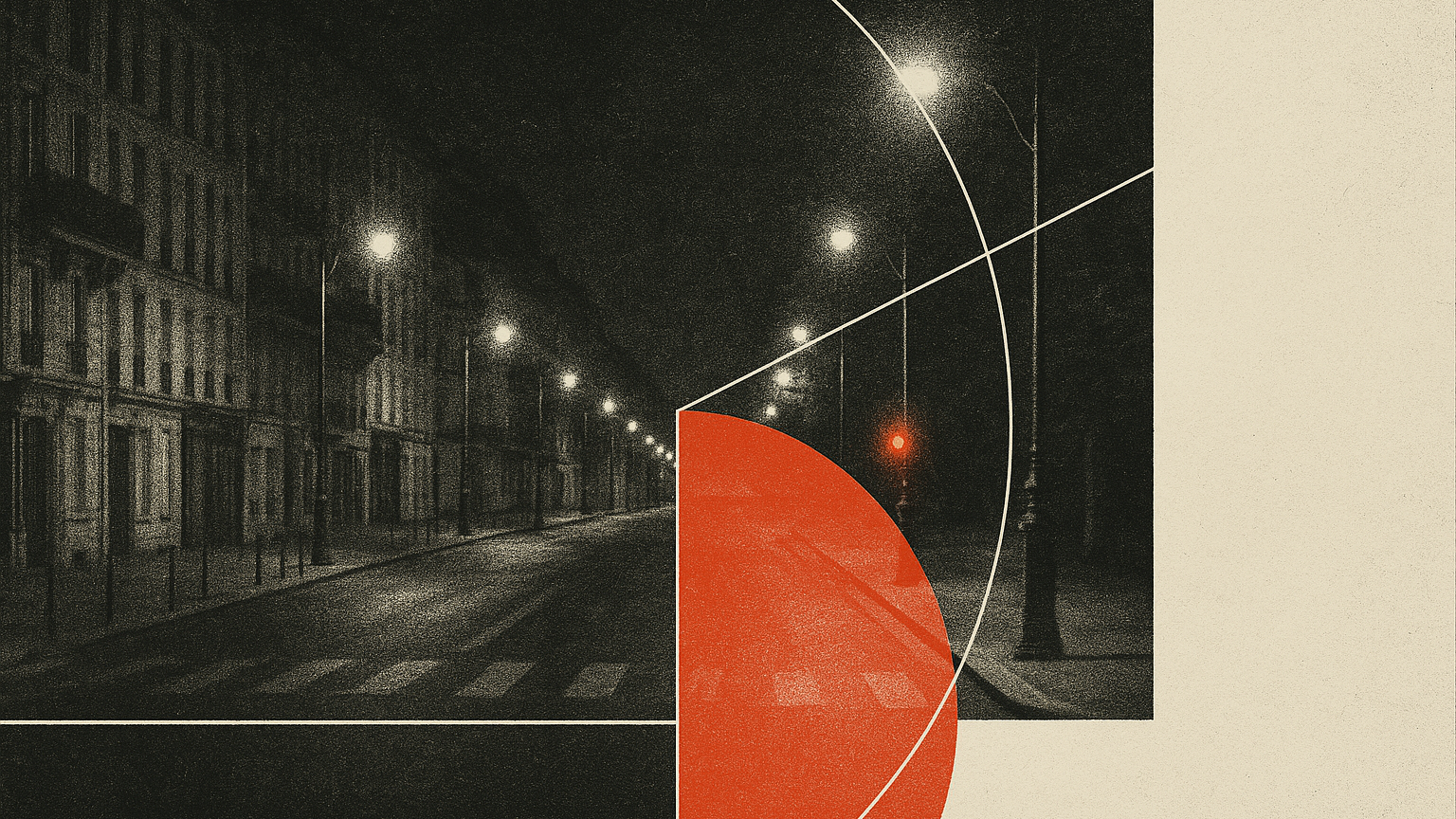
When French Prime Minister Sébastien Lecornu announced the implementation of curfews 'where necessary,' it raised questions beyond mere security measures. Could this authoritative action remain just a short-term violence deterrent, or does it serve as a political message and a reflection of societal fractures?
On October 18, student protests erupted across France, focusing on higher education and living costs, leading to arson and looting in some areas. Two days later, on October 20, Prime Minister Lecornu announced curfews 'where necessary,' and major cities like Paris, Bordeaux, and Nice saw night curfews implemented, resulting in a relatively calm Monday night. While these measures effectively restored immediate order, they also sparked concerns about how to address political tensions and social discontent.
This isn't the first time France has resorted to curfews. During the massive riots of 2005, fueled by youth unemployment and police violence, the government invoked emergency powers from a 1955 law, allowing local authorities to impose curfews, ban gatherings, and conduct house searches. These measures curbed violence but also restricted civil liberties and fueled distrust in the government.
While the recent curfews have been effective in the short term, criticism of the government's response lingers. Prime Minister Lecornu admitted a loss of police control, and some media outlets argue that the government has overlooked the fundamental causes of the protests. Curfews may suppress violence, but they fail to address the root motivations behind the unrest.
Curfews are not merely security measures; they symbolically demonstrate the government's exercise of 'control' during crises. With presidential elections scheduled for April-May next year, Lecornu's curfew announcement can be seen as a political maneuver to emphasize the government's tough stance on order.
However, repeated or prolonged curfews could raise concerns about civil liberties. During the COVID-19 pandemic, curfews in France contributed to public health efforts but were criticized for restricting freedom of movement and assembly. Similar controversies may arise this time as well.
Some argue that curfews might actually amplify the protesters' grievances. France's protest culture is a direct response to government policies, and curfews could become barriers to social dialogue. Past instances have shown that harsh responses can sometimes intensify resistance.
What strategies should the government pursue alongside curfews? Addressing the fundamental issues of educational environment and living costs through genuine dialogue and policy proposals is crucial. Prime Minister Lecornu should seek structural solutions through consultations with the Minister of Social Affairs, the Minister of Education, and student representatives.
Curfews are undoubtedly effective in curbing immediate violence. However, if they are consumed as political messages or merely suppress social discontent, they may leave deeper fractures. France must now consider how to create sustainable social agreements beyond the immediate effects of curfews.
This article was produced with the assistance of AI using publicly available sources and has undergone The Gist’s factual and source-verification process. Original sources are listed below. Errors and corrections: corrections@thegist.co.kr
Sources
- S1 — Al Jazeera2026-10-20 · accessed 2026-10-20
- S2 — Euronews2026-10-20 · accessed 2026-10-20
- S3 — AFP2026-10-19 · accessed 2026-10-20
- S4 — Le Monde2026-10-20 · accessed 2026-10-20
- S5 — Just Security2016-??-?? · accessed 2026-10-20
- S6 — Wikipedia· accessed 2026-10-20
- S7 — Amnesty International2020-05-?? · accessed 2026-10-20
- S8 — Time2018-??-?? · accessed 2026-10-20
- S9 — Le Monde2026-10-20 · accessed 2026-10-20
- S10 — Le Monde2026-10-20 · accessed 2026-10-20