Society
Flash Floods in Nepal: A Natural Disaster or Infrastructure Failure?
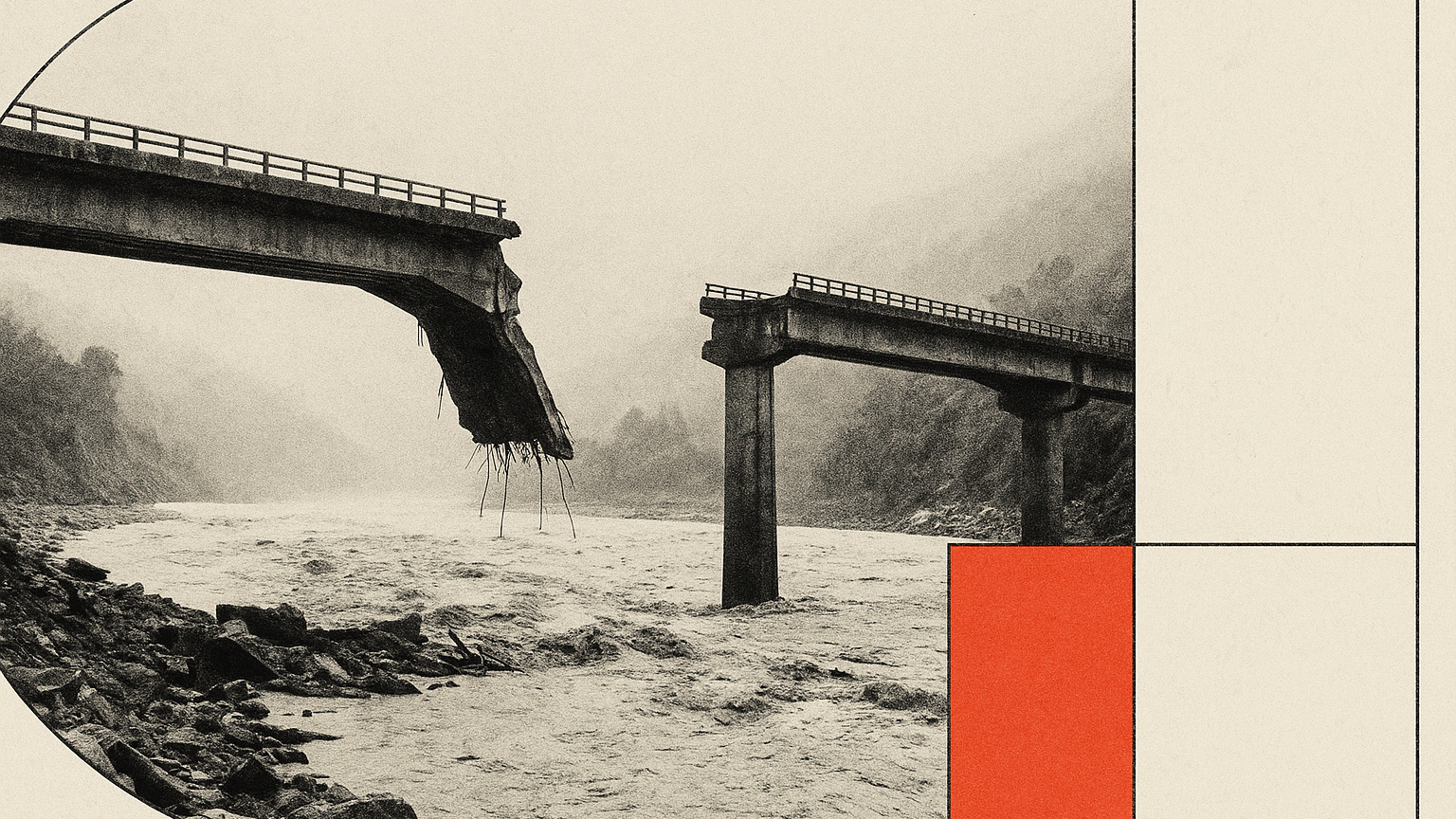
In the early morning, a flash flood in Nepal's Gorkha district occurred when a landslide temporarily blocked the Budhi Gandaki River, leading to its collapse. At least 10 people are missing, and bridges, homes, and a hydropower construction camp were swept away. Thanks to SMS warnings, there were reportedly no casualties. This incident highlights not only the power of nature but also how climate change, geographical instability, and warning systems intertwine. Can this flood be seen as merely a natural disaster, or is it a crisis exacerbated by climate-induced geographical vulnerabilities, infrastructure limitations, and the critical role of warning systems?
The immediate cause of the flood was a landslide in the Chumnubri area of Gorkha district, which blocked the Budhi Gandaki River and then collapsed, creating a 'landslide dam breach flood.' ICIMOD analyzed that the landslide temporarily dammed the river, which then suddenly gave way, sending a torrent of mud and debris downstream.
This flood mechanism is similar to the one in April 2024, when a glacier collapse at the Manaslu Glacier caused the Birendra Tal Lake to overflow, leading to a rapid flow in the Budhi Gandaki River.
Nature's Alarms and the Echo of SMS Warnings
Interestingly, there were no casualties in this flood. The National Disaster Risk Reduction and Management Authority (NDRRMA) received flood information around 6:20 a.m. and sent out SMS warnings within 20 minutes, prompting residents to evacuate to higher ground. While this prevented loss of life, the physical damage to bridges, homes, and the hydropower construction camp was extensive.
The crucial role of warning systems in saving lives underscores the importance of technological systems in disaster response. However, the destruction of bridges, homes, and hydropower infrastructure highlights the inability of these systems to compensate for physical vulnerabilities. The concentrated damage to infrastructure near the Manaslu trekking route illustrates the gap between tourism-based regional sustainability and disaster preparedness.
How does such a landslide dam breach flood relate to climate change? Climate change in the Himalayan region is intensifying glacier retreat, altering rainfall patterns, and increasing geographical instability. Research in the Budhi Gandaki basin indicates that warming is heightening variability in precipitation and runoff, raising flood risks.
Conversely, some experts caution against definitively attributing this flood to climate change. For instance, in the 2026 Trishuli flood, while climate change was a likely factor, it was not scientifically confirmed as the direct cause.
The Intersection of Vulnerabilities and Future Challenges
This flood is a complex event where natural factors, climate change, geographical instability, infrastructure vulnerability, and the role of warning systems are intricately linked. While SMS warnings saved lives, the collapse of physical infrastructure threatens regional resilience and sustainability. In areas dense with tourism and energy infrastructure, disaster preparedness requires more than warnings; it demands structural redesign and climate adaptation strategies. To prevent similar future incidents, it is essential to enhance landslide monitoring and early warning systems, review infrastructure design standards, and implement comprehensive disaster risk management that incorporates climate change scenarios.
This incident prompts us to consider how attentively we are listening to nature's warnings. An SMS saved lives, but the collapsed bridges and homes remain as evidence of ignored warnings. The challenge ahead is not just to send warnings but to translate them into tangible change.
This article was produced with the assistance of AI using publicly available sources and has undergone The Gist’s factual and source-verification process. Original sources are listed below. Errors and corrections: corrections@thegist.co.kr
Sources
- S1 — Public Service Broadcasting, Radio Nepal2026-10-11 · accessed 2026-10-11
- S2 — ICIMOD2026-10-11 · accessed 2026-10-11
- S3 — Farsight Nepal2026-10-11 · accessed 2026-10-11
- S4 — ICIMOD2024-04 · accessed 2026-10-11
- S5 — Kathmandu Post2026-10-11 · accessed 2026-10-11
- S6 — Bagmati Welfare Society Nepal (BWSN)2026-10-11 · accessed 2026-10-11
- S7 — TrekGuard / Bikal Shrestha & TrekGuard Team2026-10-11 · accessed 2026-10-11
- S8 — Green Compass Treks2026-10-11 · accessed 2026-10-11
- S9 — APN-GCR (Asia-Pacific Network for Global Change Research)2025-07 · accessed 2026-10-11
- S10 — ClimateNepal2016 · accessed 2026-10-11
- S11 — Axios2026-08-29 · accessed 2026-10-11
- S12 — AP News2026-08-27 · accessed 2026-10-11