Climate & Energy
Finland's Onkalo: A Milestone in Nuclear Waste Management
On October 22, 2026, the Finnish government granted Posiva Oy the world's first operating license for a permanent nuclear waste disposal facility. This decision is not just a technical achievement but a testament to decades of research and the establishment of legal and social trust. How did Finland tackle such a complex and long-term challenge, and what lessons can other countries learn from this example?
The operating license marks the culmination of Finland's Onkalo project, which has been in preparation for over 40 years. In late 2021, Posiva submitted its application, and by August 2026, the Radiation and Nuclear Safety Authority (STUK) had issued a positive safety assessment, leading to the government's decision. This process went beyond mere technical verification, integrating a culture of safety, regulatory frameworks, and social consensus.
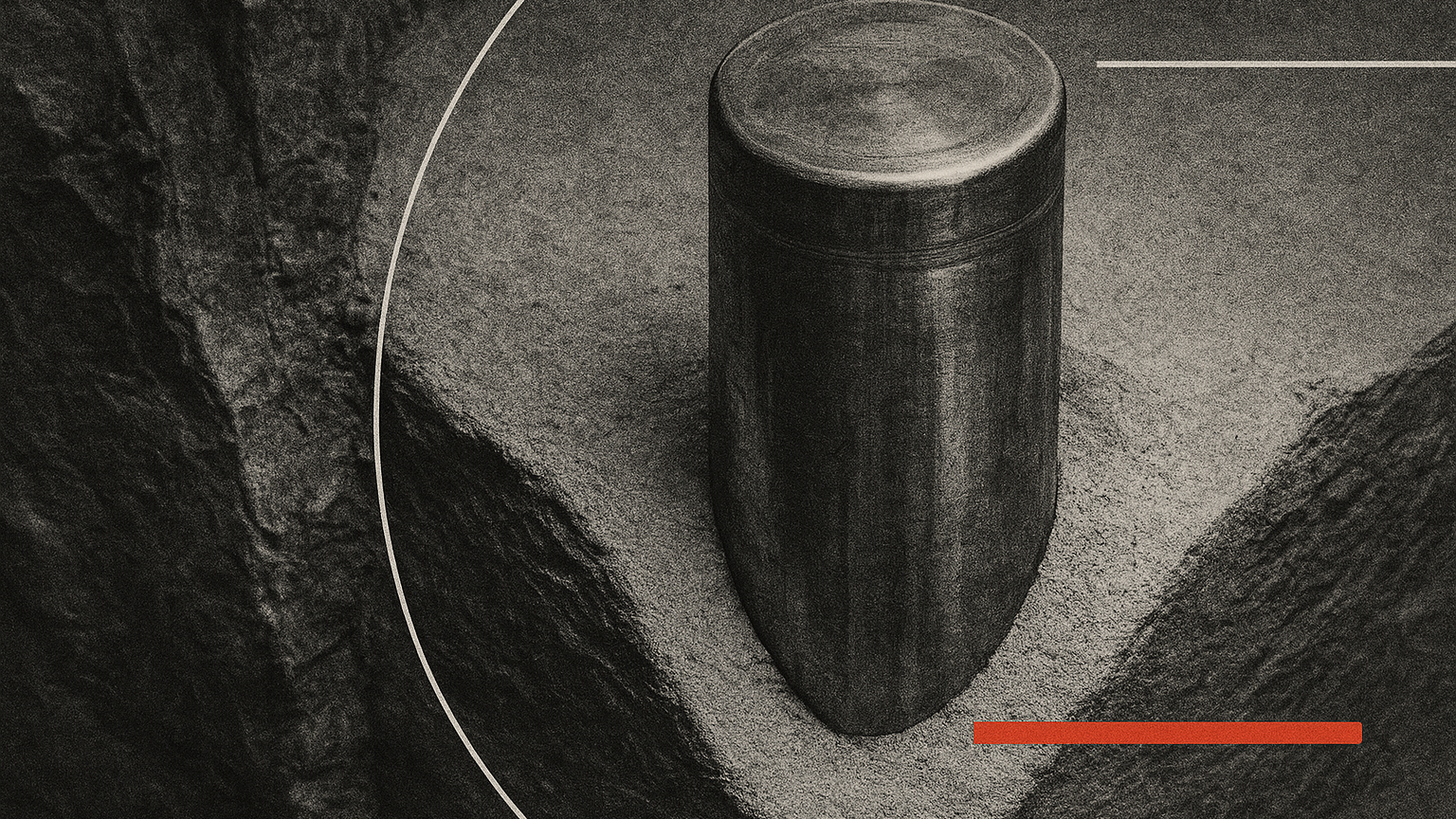
At the core of this success is the 'multi-barrier principle.' Spent nuclear fuel is sealed in canisters made of copper and cast iron, surrounded by bentonite clay and stable bedrock over 400 meters deep. This design ensures that if one barrier fails, others will prevent radioactive leakage. Safety analyses, considering the half-life of radioactive materials, the rate of radioactive decay, and the geological stability of the bedrock, have been conducted over millions of years.
Alongside this sophisticated technical design, Finland's institutional and social foundations have been crucial. Since its establishment in 1995, Posiva has maintained consistent momentum through government policy decisions, parliamentary approvals, oversight by independent regulatory bodies, and consultations with local residents. This was possible due to a long-term vision and legal foundation that remained stable despite political changes.
However, the applicability of this model to other countries is uncertain. Finland benefits from geologically stable bedrock that is 1.9 billion years old, strong social trust, and a robust regulatory system. In contrast, countries located in seismic zones or experiencing political instability may find it challenging to ensure the same level of safety and sustainability.
Nevertheless, Posiva's success offers significant insights to the international community. Many countries are currently facing the challenge of managing high-level radioactive waste, and Finland's case demonstrates the importance of a comprehensive approach that includes not only technical solutions but also institutional design and social consensus. Posiva has already shared its expertise with 19 countries.
Posiva is now transitioning into an operational phase that looks centuries and millennia ahead. Every decade, safety assessments will be updated, and under STUK's supervision, trial operations and inspections will be conducted. Eventually, responsibility will shift to the state after closure, with the preservation of records and data becoming a critical task. This philosophy of not passing the burden to future generations is fundamental to the Finnish model.
Posiva's success cannot be viewed merely as a technical achievement. It represents the realization of 'responsible future planning,' a harmonious integration of technology, institutions, and society. As other countries consider this model, they should aim for a comprehensive approach that designs for long-term safety and social trust, rather than simply burying waste in deep rock.
This article was produced with the assistance of AI using publicly available sources and has undergone The Gist’s factual and source-verification process. Original sources are listed below. Errors and corrections: corrections@thegist.co.kr
Sources
- S1 — Daily Finland2026-10-22 · accessed 2026-10-23
- S2 — Posiva2026-08-04 · accessed 2026-10-23
- S3 — Posiva2026-04-07 · accessed 2026-10-23
- S4 — Posiva2026-07-08 · accessed 2026-10-23
- S5 — Posiva2026-10-22 · accessed 2026-10-23