Security
Drone Attack on Saudi Pipeline Exposes Global Energy Security Vulnerabilities
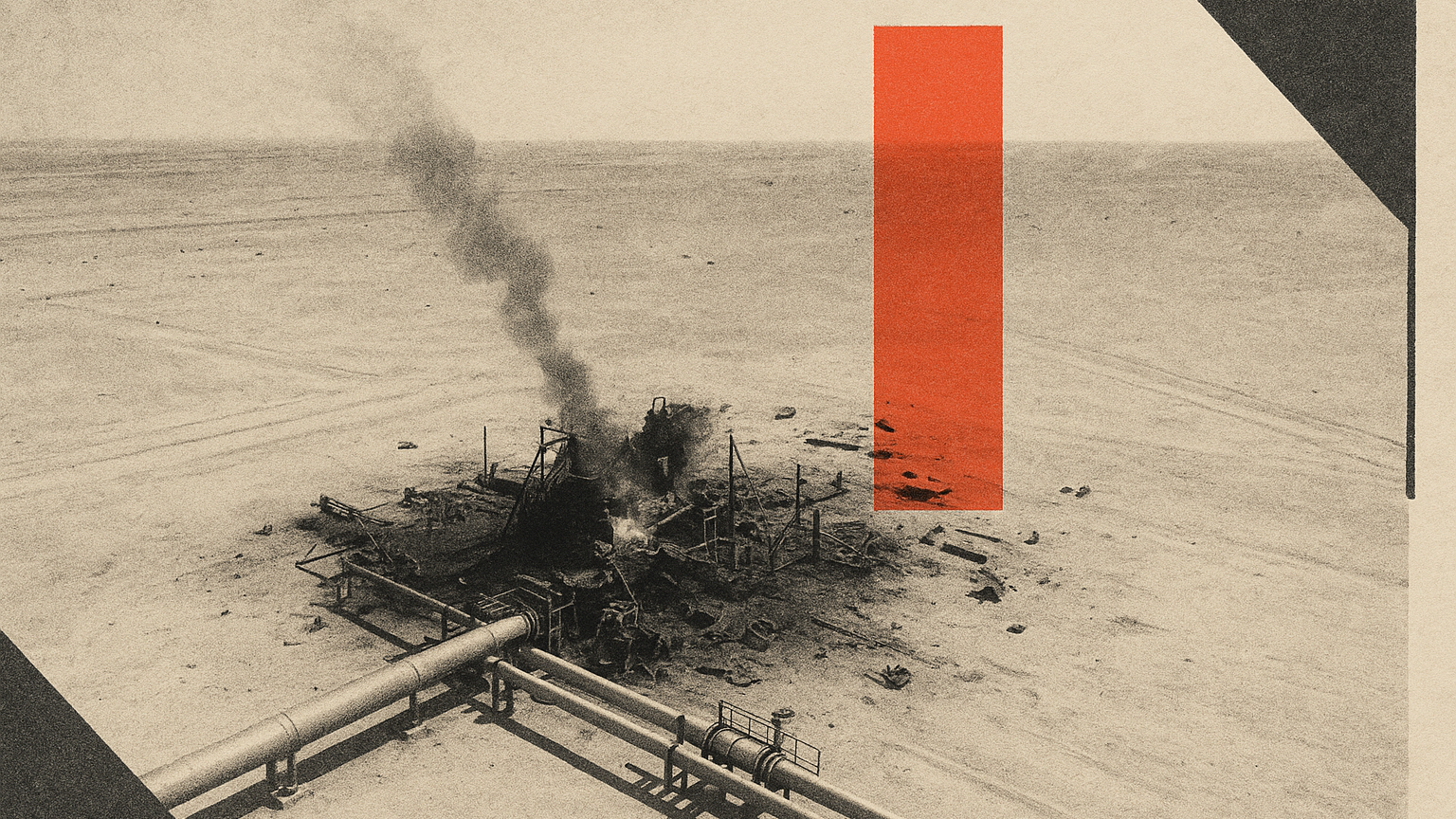
The drone attack on Saudi Arabia's East-West Pipeline has laid bare the intricate links between the structural vulnerabilities of global energy supply chains and geopolitical tensions, beyond mere physical damage to a nation's energy infrastructure. This incident raises questions about its significance beyond a simple act of terror and its potential impact on the global economy and geopolitics.
Satellite images did not merely capture a scene of fire. They revealed the severe damage inflicted on Saudi Arabia's East-West Pipeline pumping station by a drone attack, underscoring the strategic importance of this pipeline as a crucial bypass route. In situations where the Strait of Hormuz is effectively blocked, this pipeline reroutes about 4 million barrels per day, approximately 4% of global supply, through the Red Sea. Thus, the attack highlights more than just physical damage; it exposes cracks in the global supply chain.
With the pipeline halted, Yanbu port's reserves were limited to just 5-7 days, and exports through alternative routes were constrained. Following the attack, Brent crude prices surged by 3-3.4% to nearly $108 per barrel. This was not a mere market reaction but a strong and immediate price signal reflecting the collapse of a supply chain pillar.
The attack was attributed to drones launched from Iraq. In response, the Saudi government closed the pipeline as a 'preventive measure,' with recovery expected to take weeks. This situation illustrates how geopolitical tensions can translate into tangible economic shocks through energy infrastructure.
In a broader context, the simultaneous threats to the Strait of Hormuz and the Bab el-Mandeb Strait amplify the severity of the situation. With Hormuz already constrained, the influence of Houthi rebels over Bab el-Mandeb jeopardizes Saudi Arabia's alternative export routes. This has led to spikes not only in global oil prices but also in refined products like diesel.
Following the attack, Saudi exports plummeted. June's Asian exports fell from 3.4 million barrels per day to 128,000 barrels in August, partially recovering to 700,000 barrels in September. This starkly demonstrates how swiftly supply chains can collapse. Simultaneously, major importers like China have responded with strong opposition, showing how geopolitical pressure translates into economic actions.
Interestingly, while similar attacks have occurred in the past, the entire supply chain has rarely been so disrupted. For instance, the 2019 Abqaiq-Khurais attack temporarily cut production by half, yet the market quickly adapted. This time, with both pipeline and maritime routes under threat, the room for maneuver has drastically diminished.
The ability to precisely assess the scale and impact of the drone attack through satellite image analysis is noteworthy. Smoke plumes and hotspots detected over several kilometers confirmed structural destruction rather than a simple fire. Such technology could become a crucial tool in responding to future energy security crises.
Nevertheless, Saudi Arabia retained some ability to reroute exports via the SUMED pipeline through Egypt, avoiding a complete blockade. This underscores the importance of diversified export routes.
This incident serves as a warning, illustrating how structural vulnerabilities in global energy supply chains and geopolitical tensions are interlinked. The question remains: how will we respond to such threats? Building more secure infrastructure, securing diversified export routes, and above all, seeking diplomatic solutions to ease geopolitical tensions are essential considerations.
This article was produced with the assistance of AI using publicly available sources and has undergone The Gist’s factual and source-verification process. Original sources are listed below. Errors and corrections: corrections@thegist.co.kr
Sources
- S1 — The Guardian2026-09-14 · accessed 2026-09-14
- S2 — AP News2026-09-14 · accessed 2026-09-14
- S3 — AP News2026-09-12 · accessed 2026-09-14
- S4 — The Guardian2026-09-14 · accessed 2026-09-14
- S5 — AP News2026-09-14 · accessed 2026-09-14
- S6 — Le Monde2026-09-14 · accessed 2026-09-14
- S7 — The Lookout2026-09-12 · accessed 2026-09-14
- S8 — AP News2026-08-?? · accessed 2026-09-14