Security
Crisis or Strategy? The Message Behind the US Aircraft Withdrawal from RAF Mildenhall
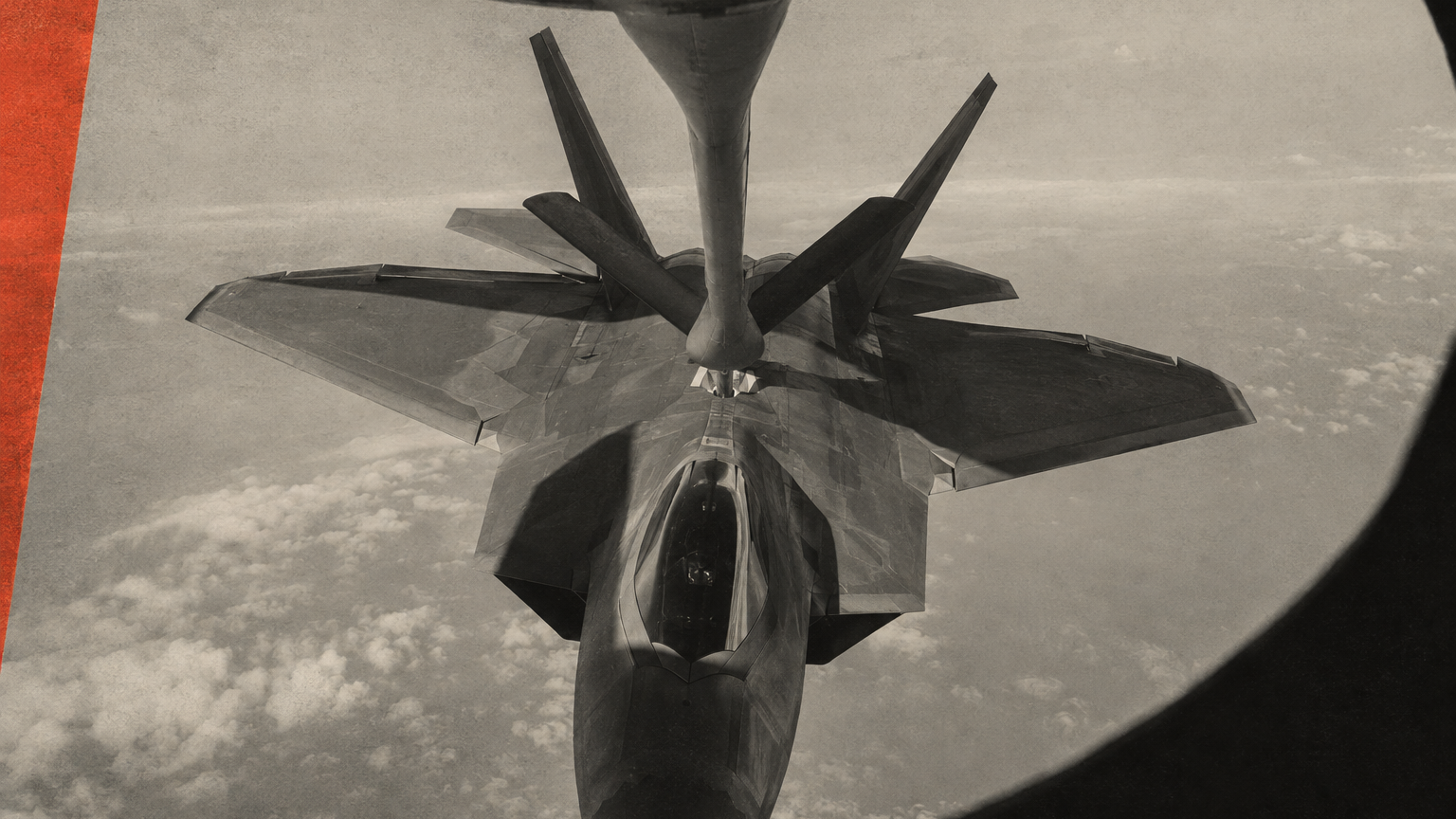
The recent emergency withdrawal of US aircraft from the RAF Mildenhall base in the UK, prompted by an Iranian threat, carries complex implications beyond mere safety measures. This move raises questions about whether it serves as a strategic message from the US to Iran. It's essential to explore whether this withdrawal is a defensive reaction to a threat or a deliberate action by the US to send a signal to Iran and the international community.
The withdrawal followed a Wall Street Journal report citing an Iranian threat, leading the US Air Force to relocate refueling aircraft and Osprey transports from RAF Mildenhall to Germany, Spain, and Scotland. While the US Department of Defense did not specify the nature of the threat, it was reported that the US opted for a risk-averse approach in response to potential threats to aircraft on the ground after the initial phase of the Iran conflict.
This action might appear as a mere preventive measure, yet it could also be a strategic move by the US to convey to Iran that "we take your threats seriously." Notably, following an incident last month involving suspected Iranian involvement at RAF Fairford, the US withdrew bombers from that base. Such repeated withdrawals could signal that the US is not underestimating Iran's threats, while also indicating that Iran's actions are having a strategic impact.
The US described this withdrawal as a 'precautionary measure,' emphasizing a swift response to protect aircraft, personnel, and bases. However, UK security officials assessed that while Iran lacks the capability to attack bases in the UK with explosives, it could pose threats to disrupt US calculations. This suggests the US might be exaggerating the threat or strategically leveraging it.
Threat or Strategy—Can Withdrawal as a Safety Measure Control Relations?
The decision to withdraw due to an Iranian threat can certainly be interpreted as a defensive measure prioritizing safety. Given Iran's past missile strike on a KC-135 refueling aircraft in Saudi Arabia, the vulnerability of grounded aircraft is a legitimate concern. From this perspective, the US's action could be seen as merely avoiding risk.
However, European intelligence agencies have warned that Iran is targeting US bases in the UK following the incident near RAF Fairford. This indicates that the threat is not just a simple one but could be a strategic act to disrupt US military calculations. The US's repeated withdrawals could be read as a signal that, whether the threat is real or symbolic, the US is strategically utilizing it.
Thus, the US response delicately balances between a defensive measure and a strategic message. The US is sending a warning to Iran that "we are prepared," while simultaneously taking concrete steps to protect its assets. This dual operation is at the heart of the withdrawal.
However, the long-term impact of such strategic messaging remains uncertain. As UK assessments suggest that Iran lacks the capability to attack US bases in the UK, the US's excessive reaction could escalate tensions and trigger an unnecessary arms race. Conversely, if the US underestimates the threat, its assets might indeed be at risk. The balance between strategic messaging and actual safety is extremely delicate.
This incident is not merely a military withdrawal but a case study in how the US manages threats amid its conflict with Iran, while also conveying messages to the international community. How the US responds in similar future situations and how Iran reacts will be crucial indicators of the trajectory of international security.
This article was produced with the assistance of AI using publicly available sources and has undergone The Gist’s factual and source-verification process. Original sources are listed below. Errors and corrections: corrections@thegist.co.kr
Sources
- S1 — The Guardian2026-11-10 · accessed 2026-11-10
- S2 — CBS News2026-11-10 · accessed 2026-11-10
- S3 — Le Monde2026-10-28 · accessed 2026-11-10