Security
Cracks in Saudi Air Defense Amid Houthi Missile Interceptions
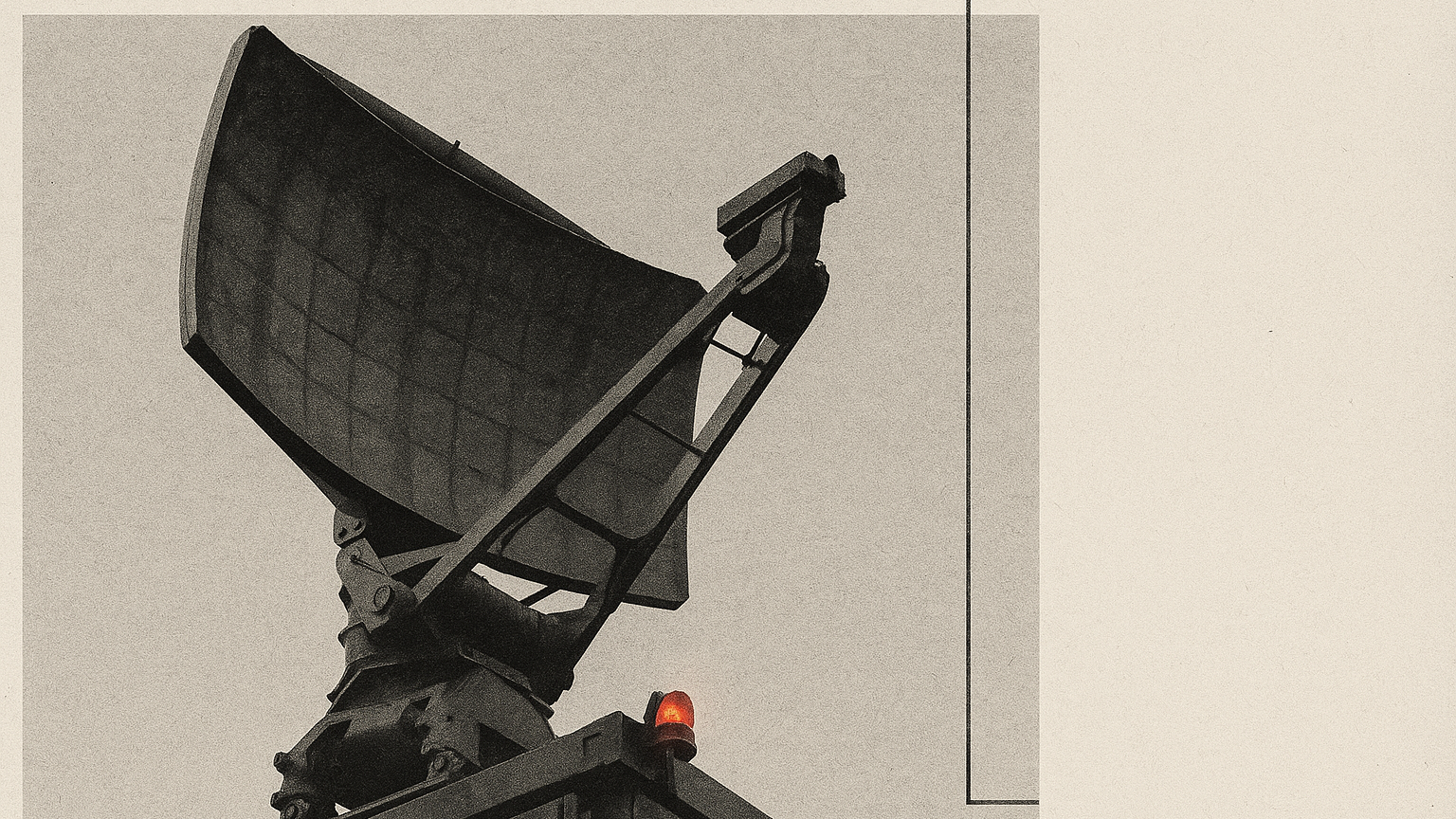
On October 14, 2026, the Saudi-led coalition announced the interception of a Houthi ballistic missile aimed at Riyadh. However, this event raises questions that go beyond a simple defensive success, highlighting the complexities of repeated attacks, the limitations of defense systems, and shifts in the Middle Eastern security landscape.
At first glance, the news of the interception suggests that Saudi Arabia's air defense system is still operational. The coalition successfully shot down the ballistic missile targeting Riyadh, and civil defense authorities issued and then lifted alerts in Al-Kharj and the capital region. However, this defensive success, when viewed alongside recent strikes on major facilities like Riyadh Airport, reveals tensions that cannot be explained by the term 'interception' alone.
This incident is noteworthy not just as a repetition of Houthi attacks, but as a sign of strategic shift. The missile attack on King Khalid International Airport in Riyadh resulted in 14 deaths and hundreds of injuries, with Aramco facilities and other airports also hit. This demonstrates that the Houthis are employing a sophisticated strategy targeting Saudi Arabia's critical infrastructure, moving beyond mere retaliation.
Defense Holds, but Resources Are Depleting
Behind the success of the defense lies a shadow of severe resource depletion. Saudi Arabia has requested support from regional and Western allies due to a shortage of interceptor missiles. This situation reveals a structural problem: the defense system may not be sustainable in the long term if the conflict drags on.
Moreover, the focus of the defense system on threats from Iran poses another issue. Experts point out that Saudi Arabia's missile defense is primarily designed to counter threats from Iran, which limits its ability to respond to the diverse weapon systems of the Houthis, including drones, cruise missiles, and ballistic missiles. While the defense network is operational, there are clear vulnerabilities in its scope and response speed.
In this context, the interception symbolizes a strategic dilemma for Saudi Arabia rather than a mere military success. While the functioning defense system provides some reassurance, questions remain about how long this system can endure and how to respond to repeated attacks.
Attacks Persist, Responses Must Evolve
The Houthi attacks are seen as a political message targeting Saudi Arabia's strategic core, beyond mere military actions. By aiming at symbolic targets like Aramco and airports, the Houthis are exerting direct pressure on Saudi Arabia's security and economic foundations. Consequently, Saudi Arabia needs to go beyond simple interceptions, cutting off the sources of attacks and restructuring its defense system in a multi-layered manner.
Saudi Arabia's response is not merely linear. It has already secured defensive support from France and the UK and is exploring defense cooperation with Turkey and Pakistan. This can be interpreted as a move not only to bolster short-term interception capabilities but also to reorganize the framework of regional security cooperation in the medium to long term.
The repeated attacks and limited defense resources are becoming a new test for Middle Eastern security. While Saudi Arabia has succeeded in maintaining its defense network, this alone is not enough. The challenge ahead is to cut off the sources of attacks, strengthen the defense system in a multi-layered manner, and secure the sustainability of security through regional cooperation.
This article was produced with the assistance of AI using publicly available sources and has undergone The Gist’s factual and source-verification process. Original sources are listed below. Errors and corrections: corrections@thegist.co.kr
Sources
- S1 — Al Jazeera2026-10-14 · accessed 2026-10-14
- S2 — AP News2026-10-14 · accessed 2026-10-14
- S3 — AP News2026-09-16 · accessed 2026-10-14
- S4 — Al Jazeera2026-10-11 · accessed 2026-10-14
- S5 — Le Monde2026-10-11 · accessed 2026-10-14