Security
Burning Ships in the Black Sea: The Shadow of War on Maritime Safety
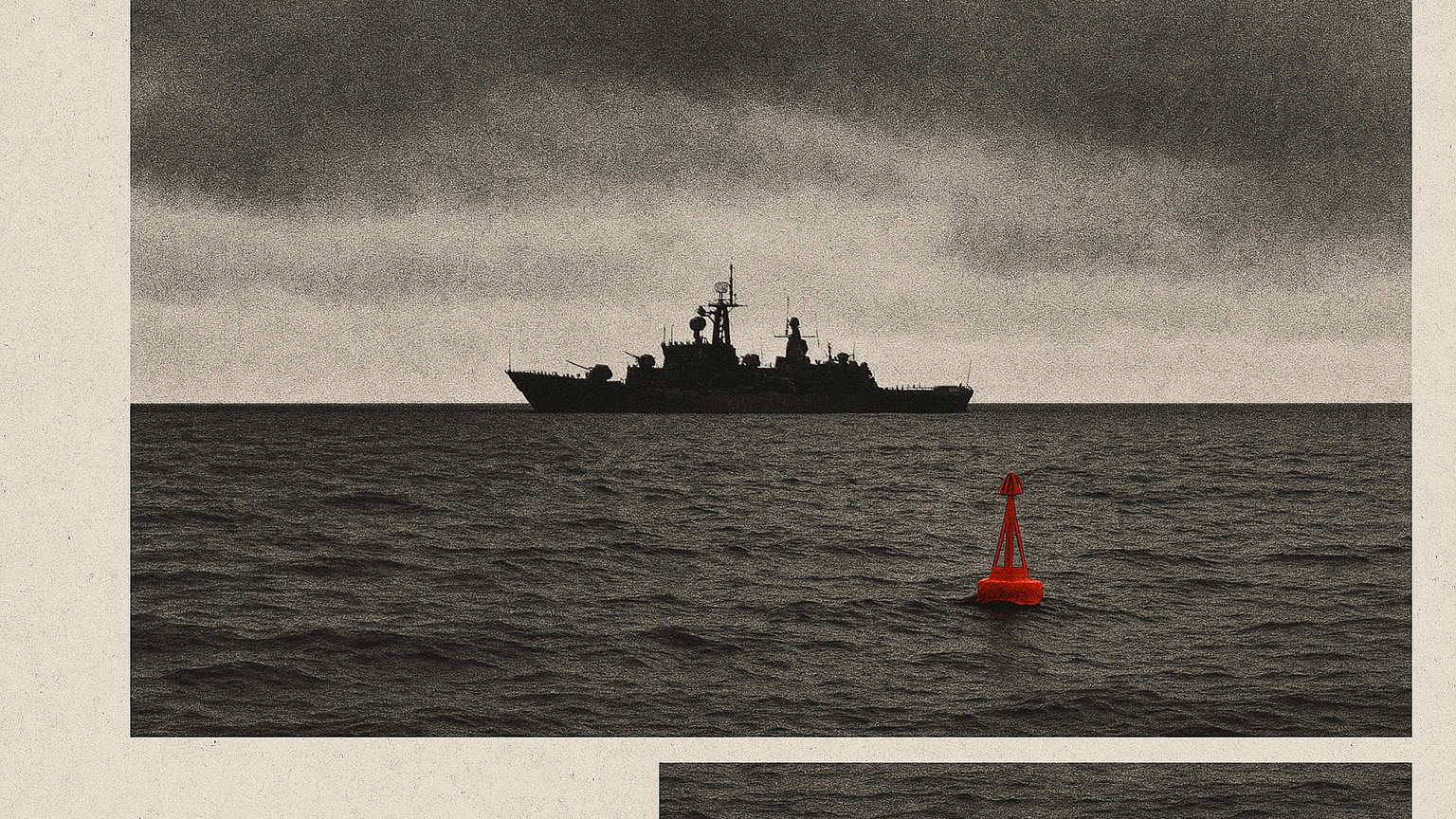
The burning of two chemical tankers and the disappearance of seven crew members off the Black Sea coast is more than a maritime accident. It illustrates how war is extending its reach to commercial routes. The use of asymmetric means like drone attacks raises questions about threats to maritime safety and exposes structural vulnerabilities in the international maritime security system.
The incident began on October 15, 2026, when two chemical tankers caught fire within Romanian territorial waters, resulting in the disappearance of seven crew members. While Romanian authorities have been cautious in determining the cause, the connection to recent drone attacks in the Black Sea cannot be ignored. These attacks highlight the unprecedented instability in maritime security as a consequence of the Russia-Ukraine war.
According to the Associated Press, the ship involved in the fire was the San Marino-flagged chemical tanker 'Wine Trader.' Although the cause of the fire was not immediately identified, the report emphasized the frequent occurrence of drone attacks in the Black Sea. Notably, a Turkish-owned grain carrier was attacked by drones and sank after a fire just the day before, suggesting this incident might not be a mere accident.
Al Jazeera reported that this incident raises concerns about the expansion of Russia's war into the commercial routes of neighboring countries. The use of asymmetric weapons like drones at sea underscores the reality that the war's influence is extending beyond combat zones into international trade routes.
Drones and the Fractures in Maritime Security
Euronews reported that Romania is investigating the fire as a potential drone attack and that the European Union plans to establish a 'Black Sea Maritime Security Hub' to bolster security in the region. This move underscores the need for cooperation and information sharing among nations, revealing the limitations of existing security systems in addressing new threats like drones.
According to official data from the Romanian Ministry of National Defence, there have been 95 drone-related incidents classified as 'border proximity attacks' in 2026, along with 34 cases of 'unauthorized entry.' This indicates that drone threats are not isolated incidents but a persistent and systematic maritime threat.
In August 2026, the international maritime exercise 'Tomis 2026,' involving Frontex, EMSA, and EFCA, was conducted in Romanian territorial waters of the Black Sea. The exercise included drone detection and neutralization, pollution response, and rescue operations. However, the occurrence of actual drone attacks highlights the ongoing inadequacy of response capabilities.
Gaps in International Systems and the Dilemma of Response
The United Kingdom warned at an OSCE meeting that attacks on civilian ships in the Black Sea are increasing, posing a significant threat to freedom of navigation and maritime safety. This statement emphasizes that the issue is not merely regional but threatens the foundations of international maritime trade and security.
Reuters pointed out the sensitivity of this incident occurring within NATO waters. While previous drone attacks mostly occurred outside NATO waters, this incident within Romanian waters indicates a breach in the security system's boundaries.
These circumstances demonstrate the limitations of national-level responses. Drone attacks can occur across borders, and ensuring the safety of maritime trade routes requires enhanced multinational cooperation and technological response systems.
This incident shows that war does not end at the front lines but extends to threaten neighboring countries' commercial activities and maritime safety through technological means like drones. It exposes the structural vulnerabilities that can arise when international maritime security systems focus solely on traditional threats.
The remaining challenge is to establish a multi-layered defense system capable of countering maritime drone threats to prevent such incidents from recurring. Only through the integration of technological detection and interception systems, multinational information sharing, and the refinement of international legal response frameworks can the shadow of war be prevented from spreading beyond commercial routes.
This article was produced with the assistance of AI using publicly available sources and has undergone The Gist’s factual and source-verification process. Original sources are listed below. Errors and corrections: corrections@thegist.co.kr
Sources
- S1 — DW· accessed 2026-10-15
- S2 — Reuters2026-10-15 · accessed 2026-10-15
- S3 — AP News2026-10-15 · accessed 2026-10-15
- S4 — Al Jazeera2026-10-15 · accessed 2026-10-15
- S5 — Euronews2026-10-15 · accessed 2026-10-15
- S6 — Romanian Ministry of National Defence2026-10-15 · accessed 2026-10-15
- S7 — Romanian Border Police / Frontex2026-08-15 · accessed 2026-10-15
- S8 — UK Government2026-10-08 · accessed 2026-10-15