Politics
Brazil's 2026 Election: A Turning Point for Latin America?
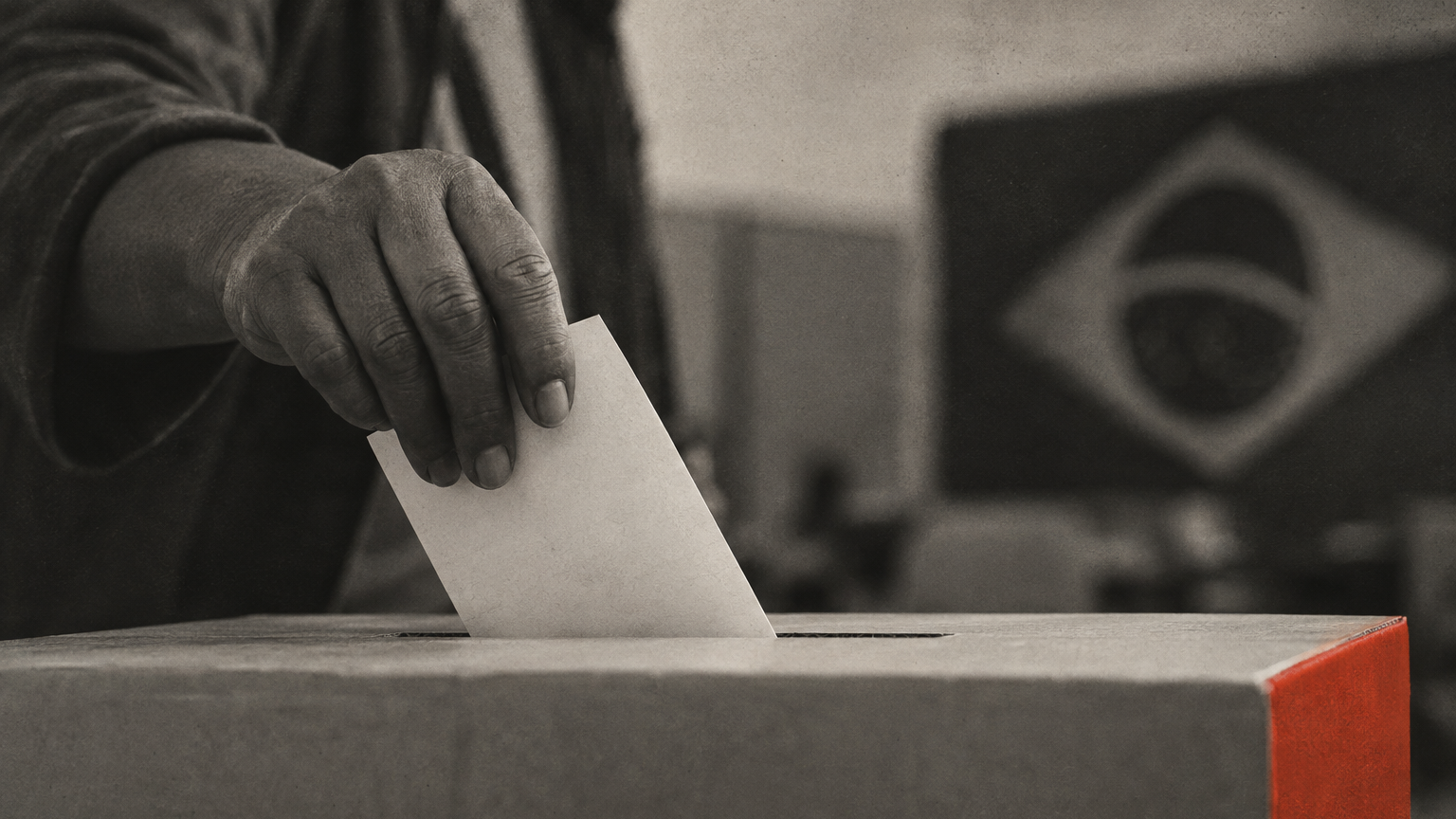
Brazil's 2026 election, described by El País as 'decisive for Latin America,' could shape not only the outcome of domestic politics but also the region's political direction and diplomatic autonomy. This raises questions about the election's significance and its broader implications.
El País emphasized that Brazil's runoff election is more than a mere change of government; it's a 'decisive' event impacting all of Latin America. The contest between Luiz Inácio Lula da Silva, a symbol of progressivism, and Flávio Bolsonaro, son of the former president under house arrest for a 2023 coup attempt, underscores its symbolic weight.
The election raises questions about its role in the rightward shift across Latin America. Countries like Chile, Colombia, and Peru have seen conservative and far-right governments rise to power. Whether Brazil joins this trend or remains a bastion of progressivism is a key point of interest.
In this context, redefining relations with the United States is also crucial. The Council on Foreign Relations highlighted whether Brazil can maintain strategic autonomy between its major trade partners, the U.S. and China, or if it will join U.S.-led security initiatives like the 'Shield of the Americas.'
If Bolsonaro wins, strengthening security cooperation with the U.S. seems inevitable. The IISS noted that his security policies could bolster collaboration with the U.S., but this might also limit Brazil's strategic autonomy.
Conversely, if Lula is re-elected, he is likely to maintain a foreign policy based on multilateralism and solidarity with the global South. At the UN General Assembly, he publicly addressed concerns about U.S. election interference, emphasizing Brazil's sovereignty and the robustness of its electoral system.
Thus, the election outcome could be a turning point, not only for Brazil's internal political divide but also for reshaping the political landscape of Latin America. If the conservative shift continues, major democracies, except Mexico, might all have right-wing governments.
However, strategic autonomy isn't secured merely by choosing a diplomatic path. The IISS analyzed that domestic military and political forces are wary of external interference, which could act as a constraint even if Bolsonaro seeks closer ties with the U.S.
El País also pointed out that this election could significantly impact climate and Amazon protection. A Bolsonaro victory might pose severe risks to the Amazon and climate policies.
Ultimately, these discussions boil down to what identity Brazil will adopt and how it will lead in the region over the coming years. Whether it aligns with the conservative right or continues with multilateralism and sovereignty-focused diplomacy could determine Latin America's future.
The only thing left is the result of the runoff on October 25, 2026. Readers should remain attentive to how this outcome will ripple beyond Brazil and reshape the political balance across Latin America.
This article was produced with the assistance of AI using publicly available sources and has undergone The Gist’s factual and source-verification process. Original sources are listed below. Errors and corrections: corrections@thegist.co.kr
Sources
- S1 — El País América2026-10-24 · accessed 2026-10-25
- S2 — Council on Foreign Relations2026-10-05 · accessed 2026-10-25
- S3 — IISS2026-10-12 · accessed 2026-10-25
- S4 — El País América2026-10-25 · accessed 2026-10-25
- S5 — El País América2026-10-25 · accessed 2026-10-25
- S6 — El País América2026-10-24 · accessed 2026-10-25
- S7 — El País América2026-06-29 · accessed 2026-10-25