Great Powers
Between Hope and Reality: The Implications of the U.S. Approval of 500 Patriot Missiles for Ukraine
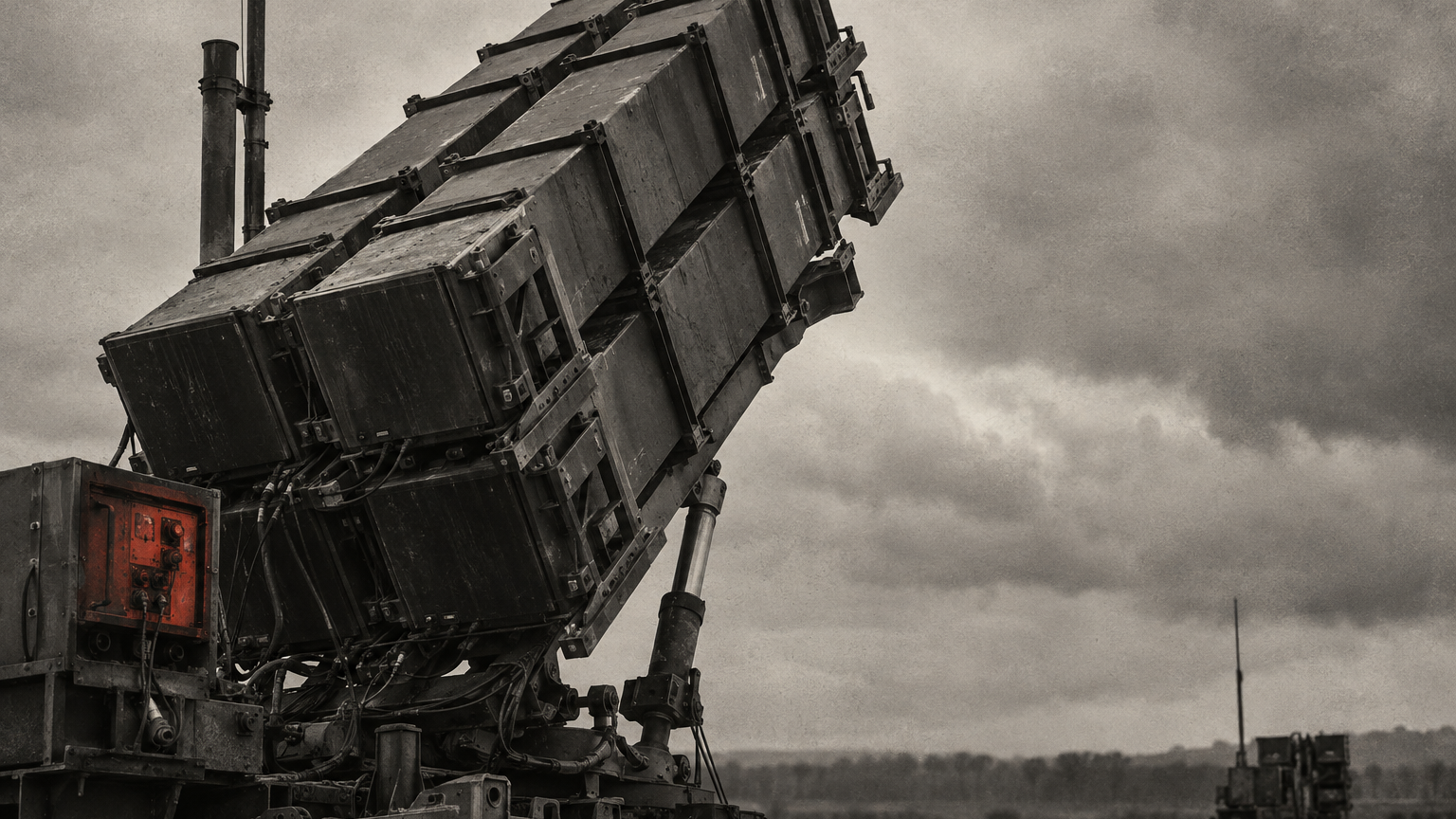
The U.S. State Department's approval of the sale of 500 Patriot PAC-3 MSE missiles to Ukraine has been announced, yet Ukrainian President Volodymyr Zelensky warns that it may take years for these weapons to be delivered. This gap highlights not just a scheduling delay but also the defense capability void faced by a nation at war and the structural limitations of international military support systems. How much can this approval contribute to Ukraine's immediate defense? And how can these structural limitations be addressed?
On October 30, 2026, the State Department approved the sale of 500 Patriot PAC-3 MSE missiles to Ukraine, valued at $2.1 billion. The funding for this deal comes from donations by Canada, Germany, Norway, and loans from the European Union to support Ukraine, with no U.S. government funds involved. The primary contractor is Lockheed Martin, and it has been stated that there will be no negative impact on U.S. defense readiness.
However, President Zelensky emphasized that this approval alone is insufficient. He pointed to over 30 recent attacks on energy infrastructure by Russia, stressing the need for defense "at the very moment the threat exists." He made it clear that transferring existing stockpiles for immediate use is more urgent than missiles that might arrive years later.
This approval is merely the beginning of the formal sales process. There are complex procedures ahead, including congressional review, contract signing, production, and delivery. Although the NATO Supreme Commander stated that deliveries of weapons purchased by European allies are proceeding without delay, it is undeniable that new production could take years.
Some foreign media have reported that these missiles might not be delivered until the early 2030s. This means that the time from approval to actual deployment could be several years, possibly extending beyond 2030, which is too late to address the immediate threats Ukraine faces.
The Gap Between Immediate Defense and Long-Term Reinforcement
The U.S. production capacity for Patriot PAC-3 MSE is about 650 units annually, shared between the U.S. and its allies. Lockheed Martin plans to increase annual production to 2,000 by 2030, but current demand is already saturated. Ukraine is employing a 'patchwork' strategy, utilizing allies' stockpiles for immediate defense while hoping for reinforcement through increased production in the long term.
Apart from this approval, President Zelensky has requested that allies immediately transfer their existing Patriot missiles to Ukraine and replenish them with newly produced ones later. This is a realistic demand to compensate for production delays during wartime.
As autumn approaches, Ukraine is preparing for another harsh winter. Experts highlight that the Patriot system is the most effective response to Russia's ballistic missile threats. Germany's defense minister has promised to provide Ukraine with its reserve Patriot systems, but specific quantities and delivery timelines remain undisclosed.
The reality of the defense industry is harsh. Expanding production capacity takes time, and with demand already high, Ukraine's order might not be prioritized. The U.S. must also consider its own defense needs and those of other allies.
Russia is exploiting Ukraine's shortage of Patriot missiles by launching high-intensity attacks with hypersonic missiles. This situation reveals not just a lack of weapons but also strategic pressure on Ukraine's defense system.
This approval is undoubtedly a crucial step toward strengthening long-term defense capabilities. However, the threats faced by a nation at war are "now," not "years later." Therefore, the international community must go beyond mere approvals and seek practical responses through immediate stock transfers, production priority adjustments, and diversified defense system development. How this gap is bridged will determine Ukraine's survival and the course of the war.
This article was produced with the assistance of AI using publicly available sources and has undergone The Gist’s factual and source-verification process. Original sources are listed below. Errors and corrections: corrections@thegist.co.kr
Sources
- S1 — CBS News2026-10-31 · accessed 2026-10-31
- S2 — InsideDefense.com2026-10-30 · accessed 2026-10-31
- S3 — Seems News2026-10-31 · accessed 2026-10-31
- S4 — Kyiv Independent2026-10-30 · accessed 2026-10-31
- S5 — Kyiv Post2026-10-31 · accessed 2026-10-31
- S6 — CSIS2026-05- · accessed 2026-10-31
- S7 — Defense News2026-10-12 · accessed 2026-10-31
- S8 — Defense-blog.com2026-10-31 · accessed 2026-10-31
- S9 — Le Monde2026-09-10 · accessed 2026-10-31
- S10 — Le Monde2026-06-03 · accessed 2026-10-31